
 English
























































































































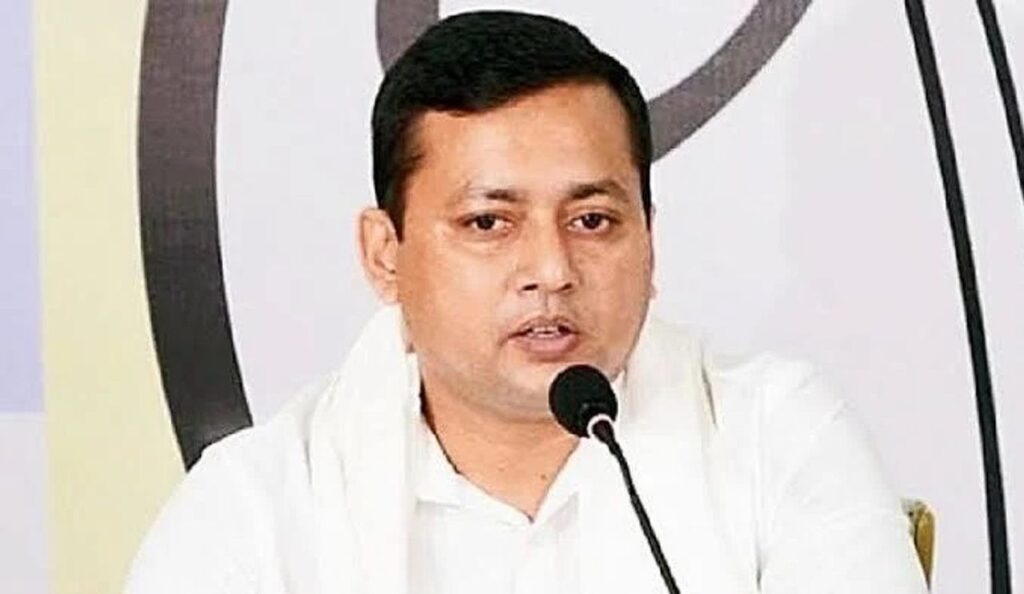








































































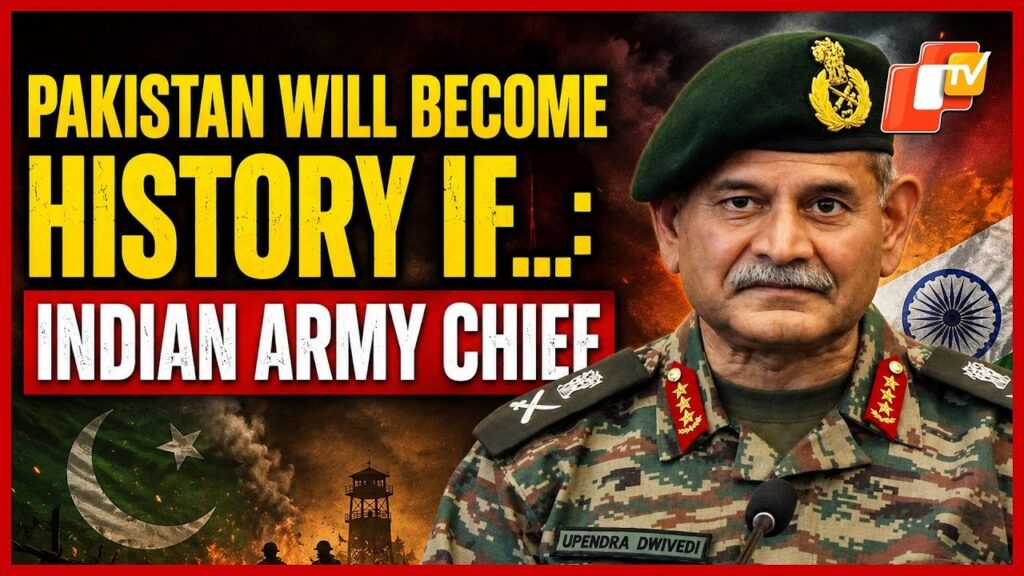




















































































































































































































































Why Saurabh Dwivedi’s acting attempt in Kartavya deserves appreciation, not mockery

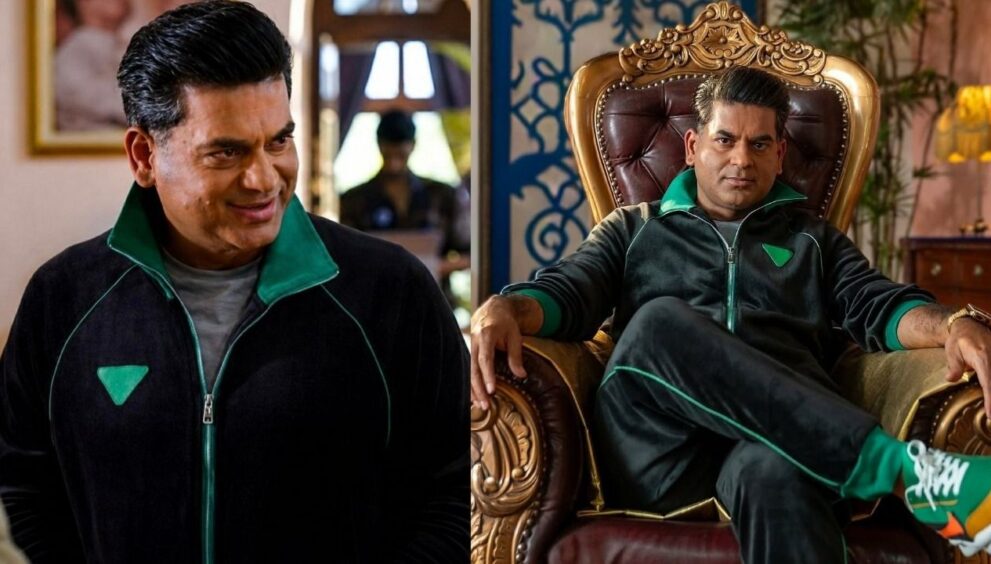

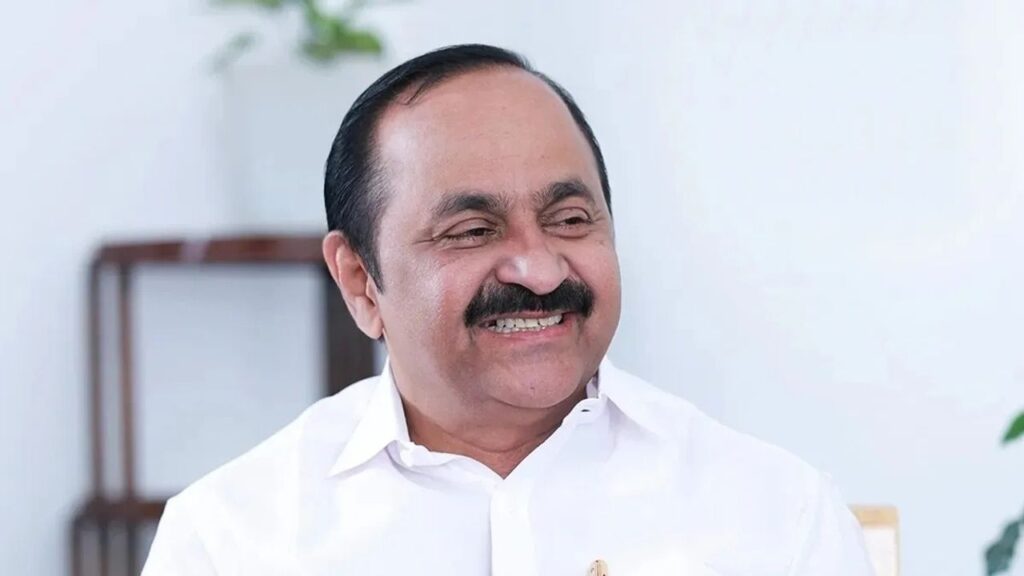
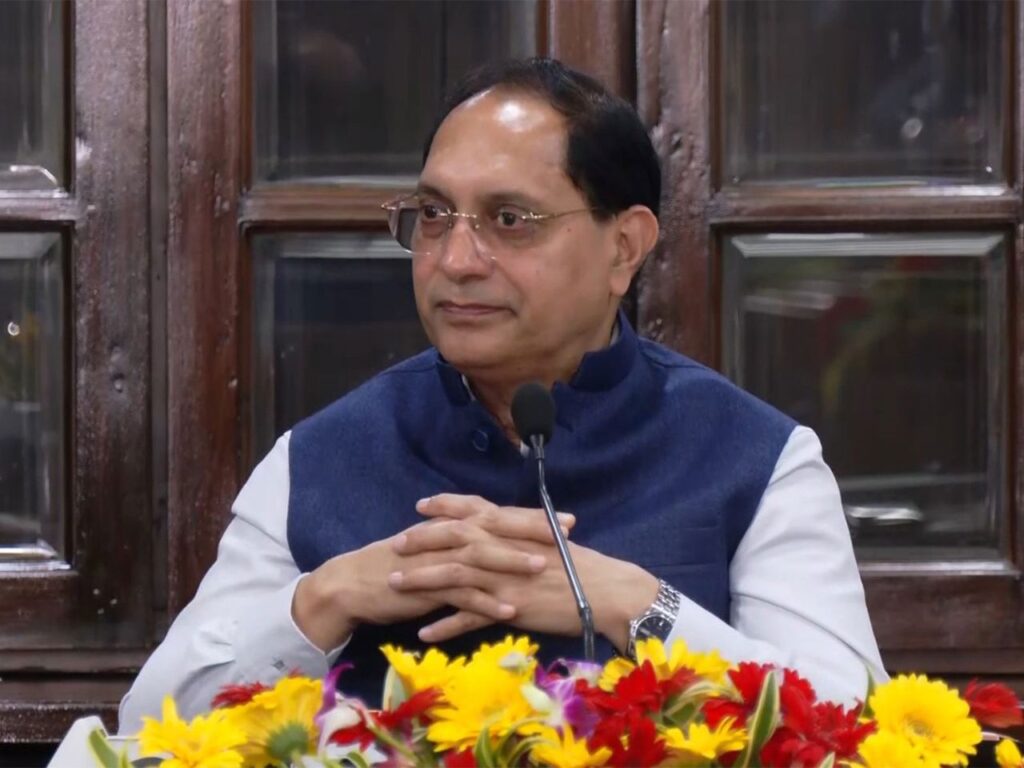
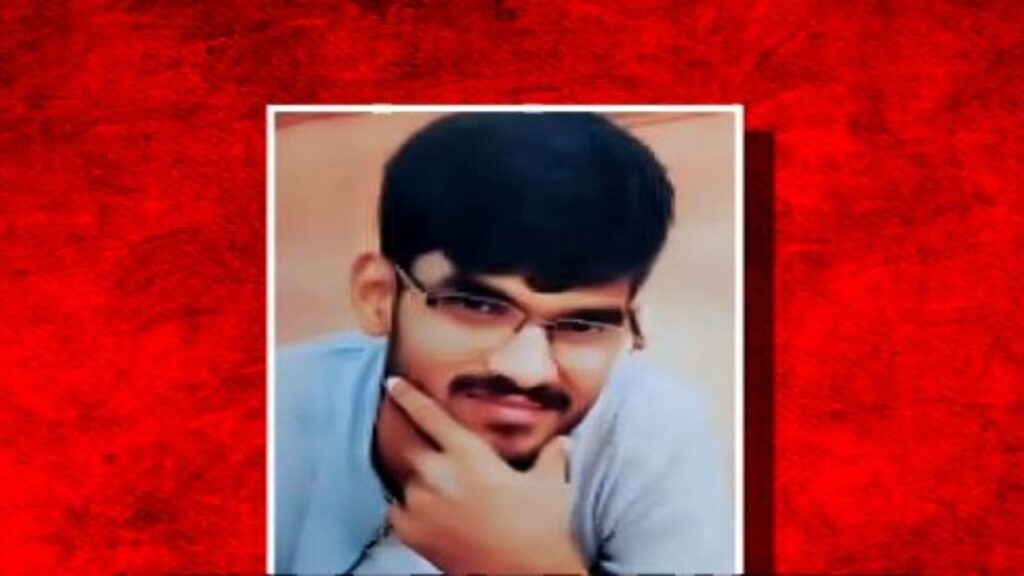
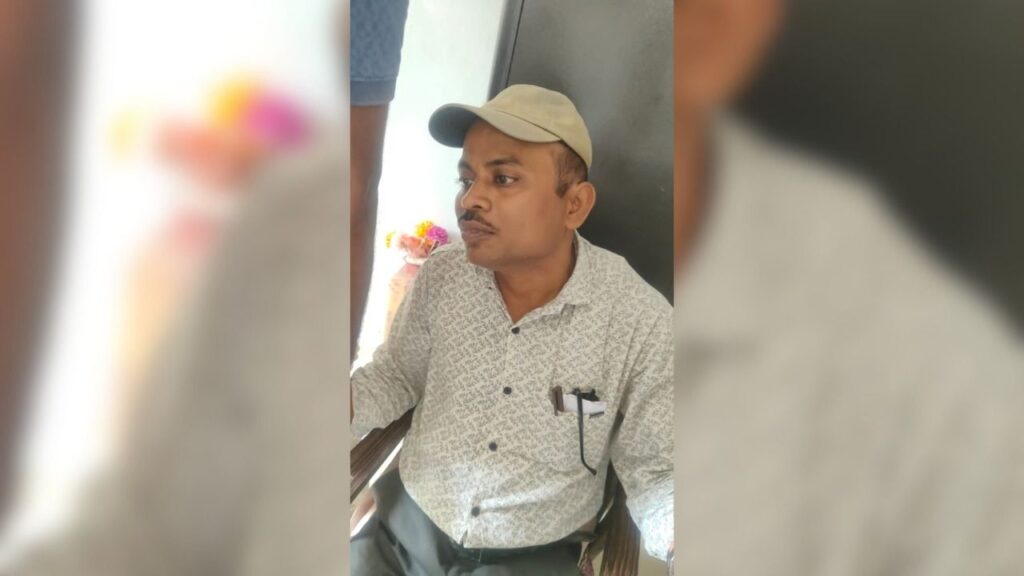
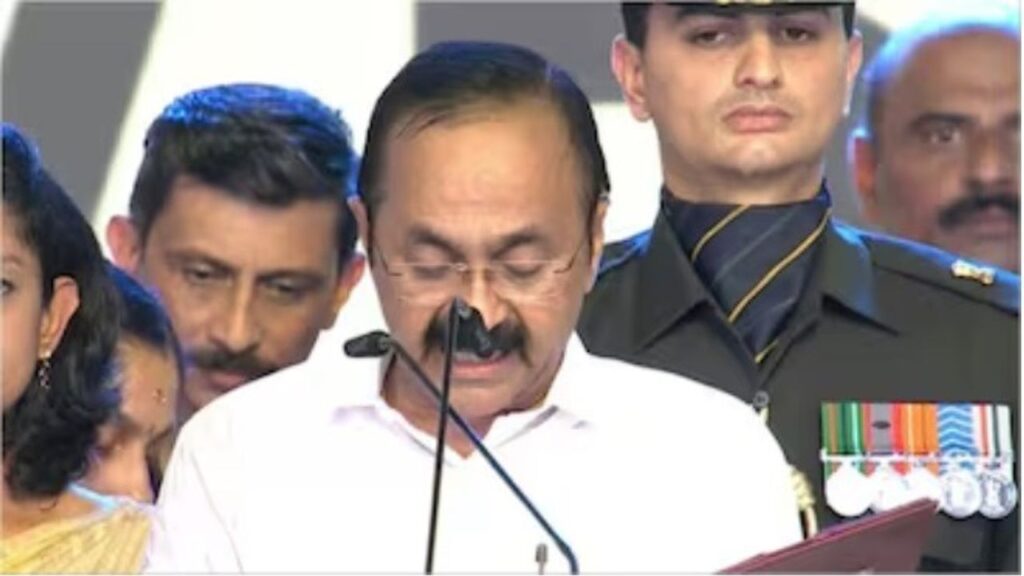
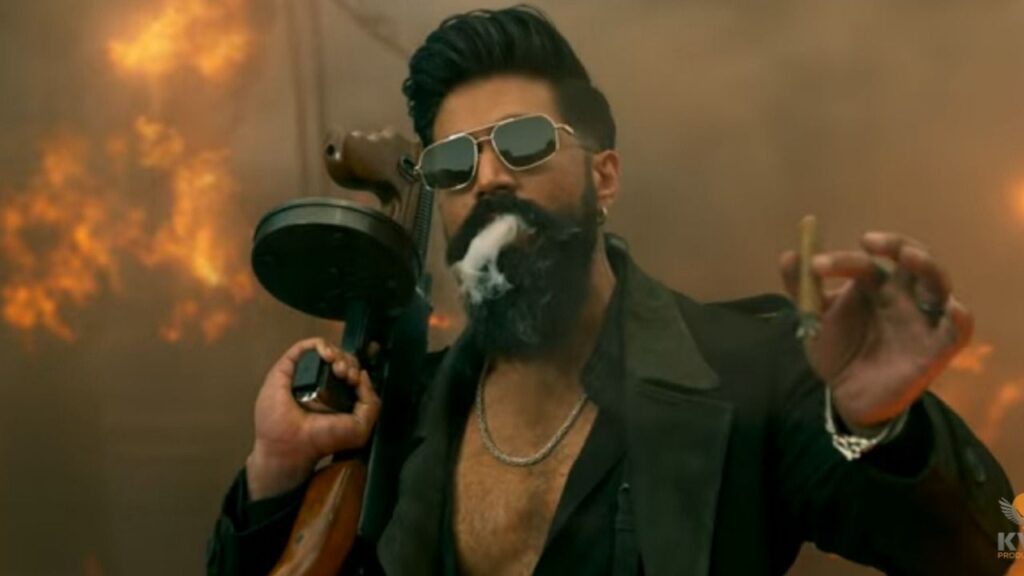
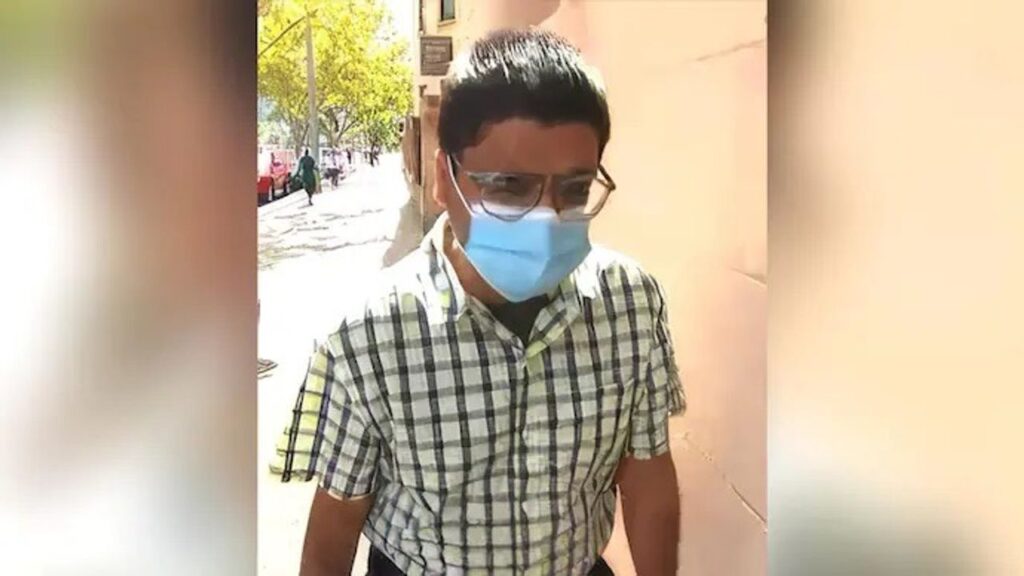
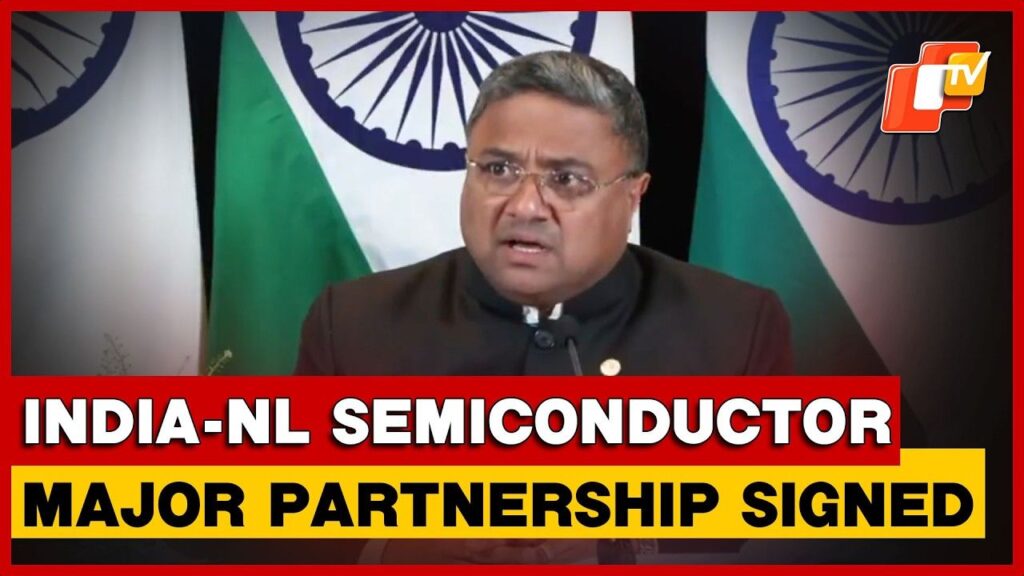
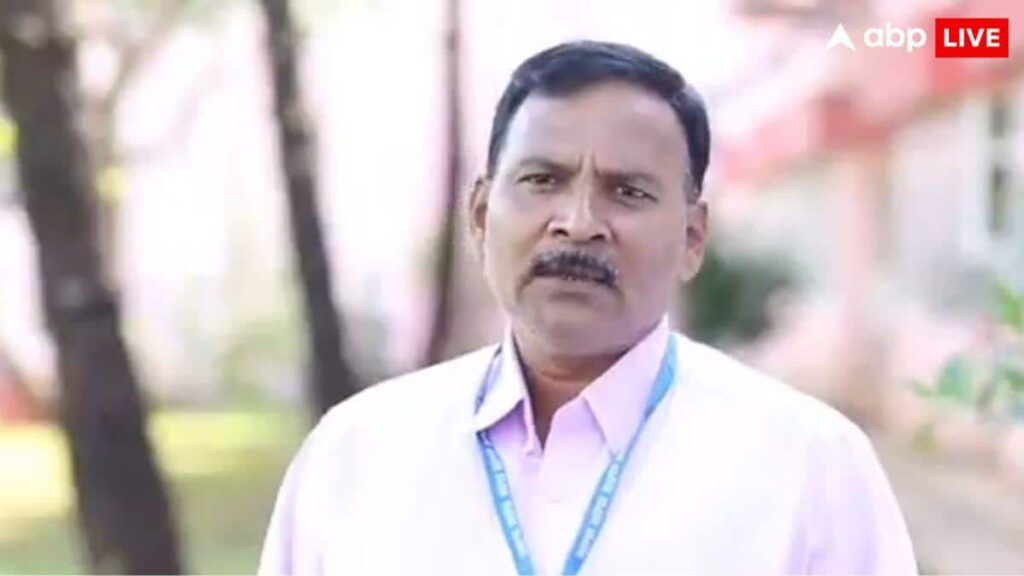
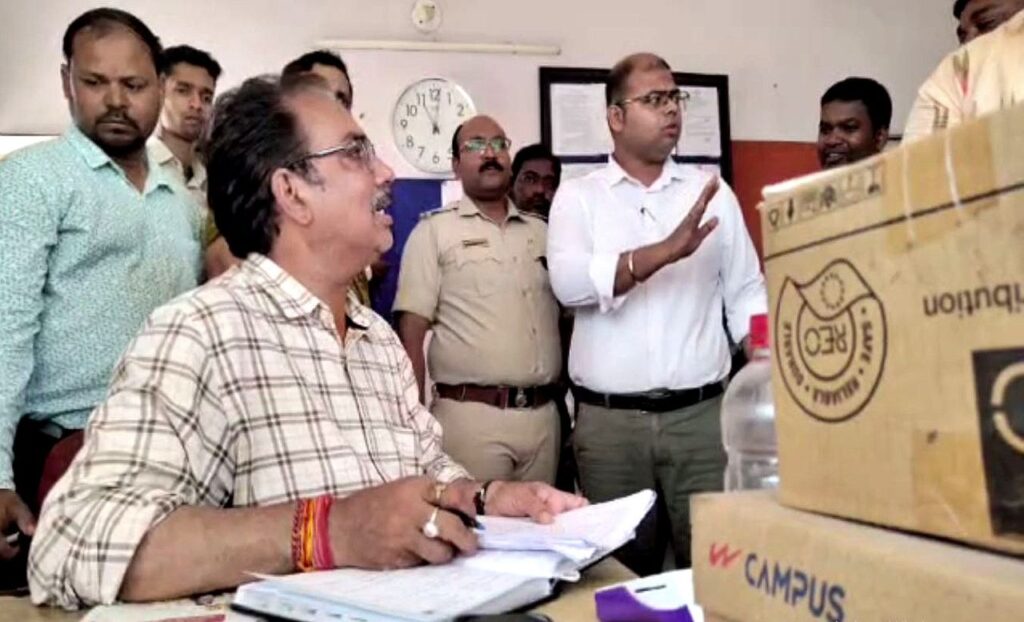
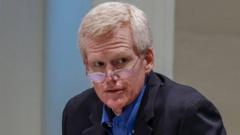
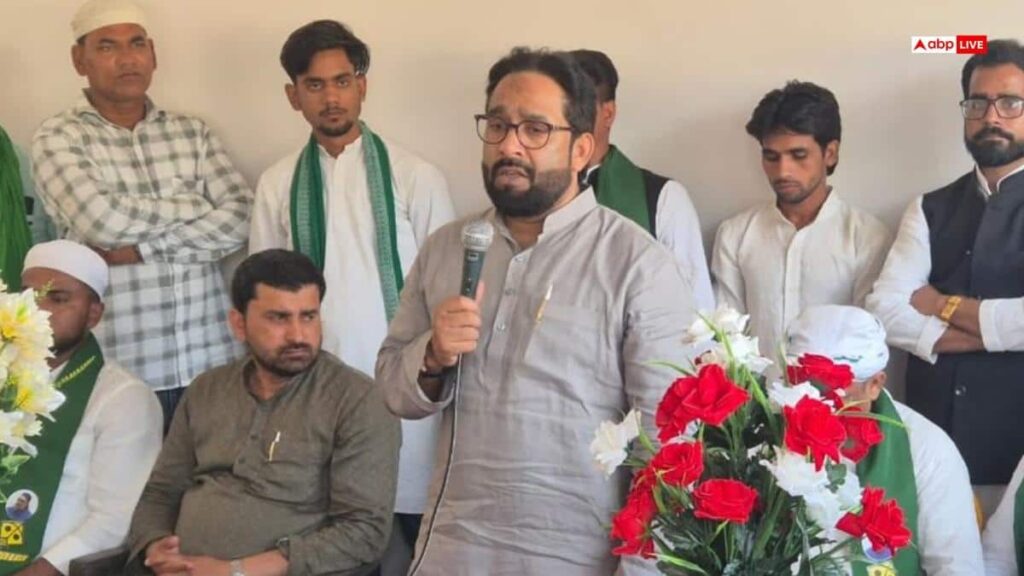
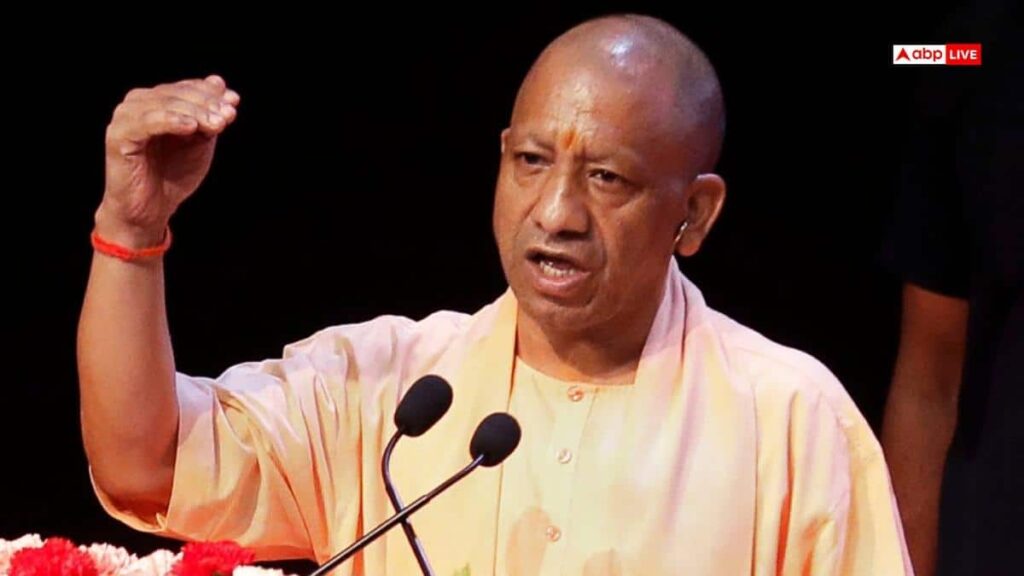
Saif Ali Khan’s Netflix thriller Kartavya is making waves online, though not entirely for its storyline or performances. Instead, social media has found a new obsession in Saurabh Dwivedi, whose acting debut in the film has become the subject of widespread trolling.
Clips from the movie quickly spread across platforms, with users mocking his expressions, dialogue delivery, and overall screen presence.
Saurabh Dwivedi was a bad Journalist.
Now he became Actor.
He acted so bad, now people are saying he was better off as a Journalist.
His acting was so poor that they cut his Climax scene 😭
Even KRK could probably act better than him 😹 pic.twitter.com/AGTBYCsNq8
— Amit Kumar Sindhi (@AMIT_GUJJU) May 16, 2026
The criticism became even louder because of Dwivedi’s own history as a journalist who had openly commented on Bollywood personalities in the past. Many users also revisited his remarks during the 2026 Chetak Screen Awards, where he had mocked actor Rajpal Yadav over his financial struggles.
For the internet, the situation felt ironic enough to turn into entertainment.
The Internet’s Latest Target
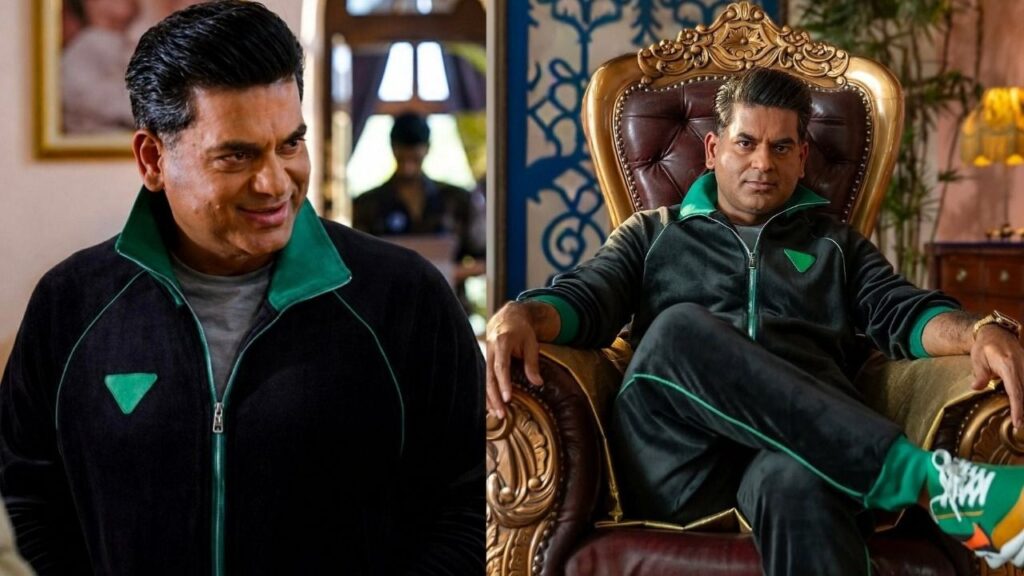
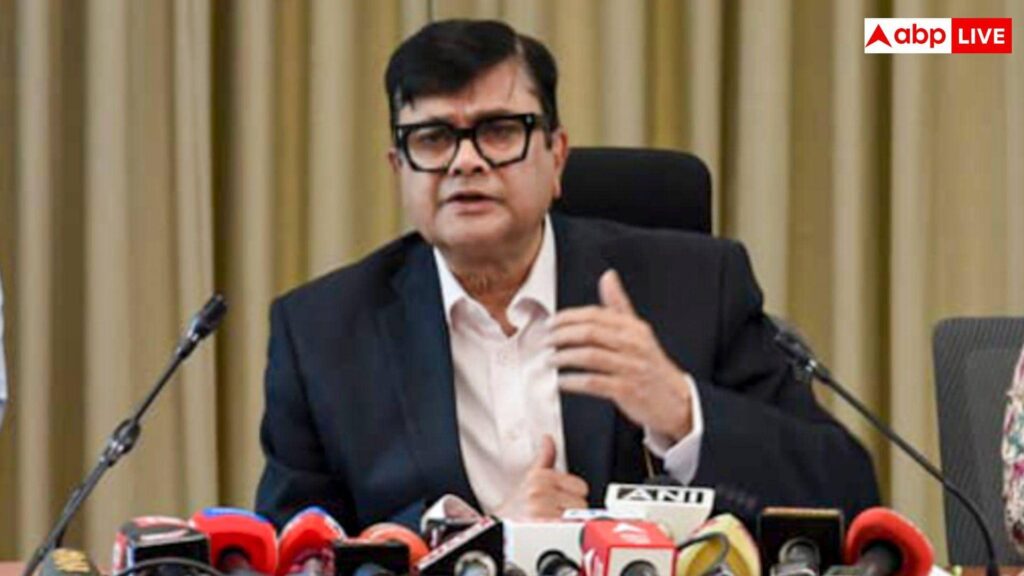
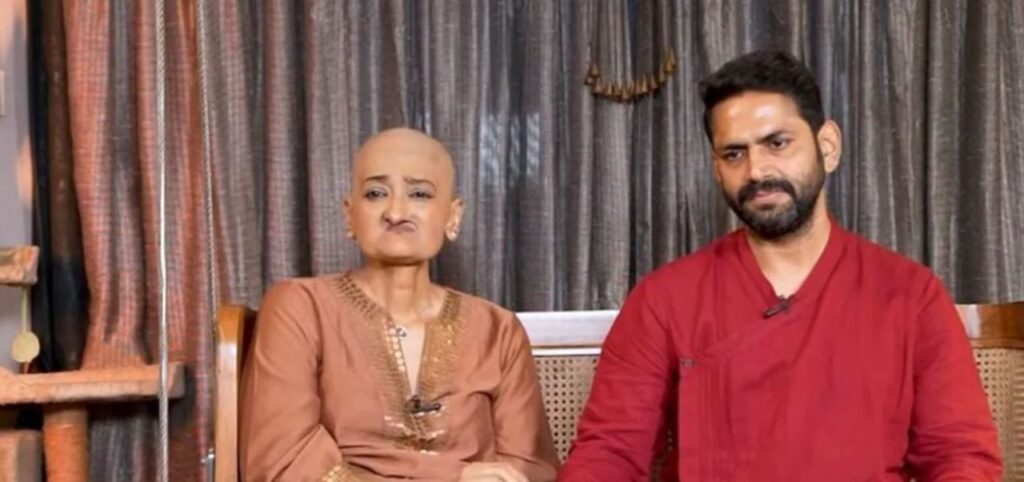
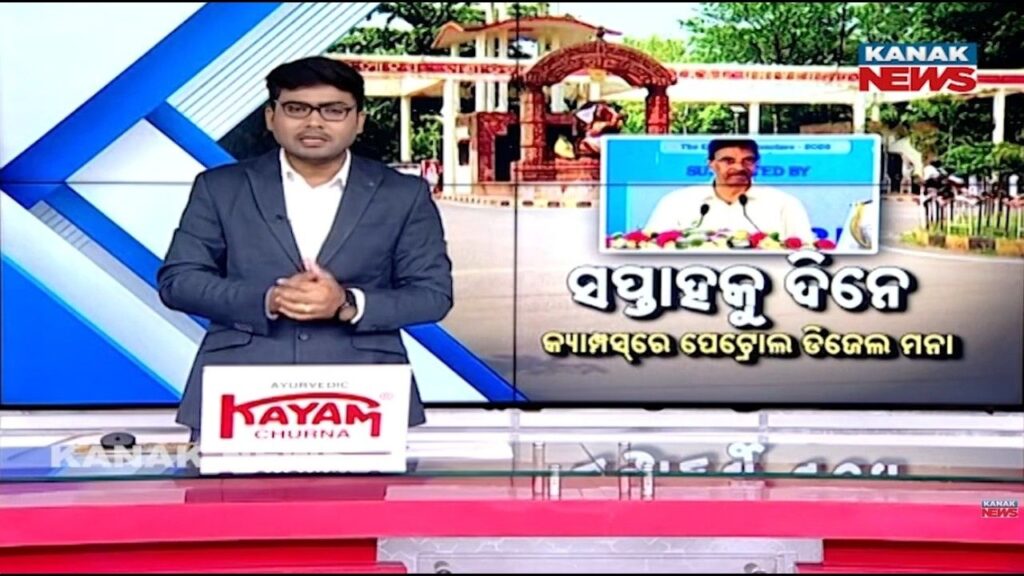
Dwivedi, who founded The Lallantop, left the India Today Group in January 2026 after over a decade and later joined The Indian Express to head its Hindi digital division. In Kartavya, he plays Anand Shri, the film’s mysterious central antagonist — a role that unexpectedly pushed him from journalism headlines into meme culture.
How Social Media Turns Failure Into Spectacle
The internet can forgive failure, but it rarely forgives visible failure. And that is exactly what unfolded after Dwivedi’s performance surfaced online. Every awkward frame became meme content. Every stiff dialogue delivery turned into viral commentary.
Some users compared his acting to “a robot reading lines,” while others claimed his scenes weakened the film experience altogether.
The audience was already bored of watching the acting of legends like KRK and Arjun Kapoor, which is why Bollywood introduced yet another legend, Saurabh Dwivedi. 😎 pic.twitter.com/TM6QzTCXN8
— Anviksha (@Anviksha_) May 17, 2026
But beneath the jokes lies a larger and more uncomfortable reality about modern digital culture. Social media no longer simply critiques performances; it amplifies humiliation.
Mistakes are recycled endlessly for engagement, and public failure has become one of the internet’s favourite forms of entertainment. In such an environment, trying something unfamiliar itself starts feeling risky.
Why Dwivedi Still Deserves Appreciation
That is precisely why Saurabh Dwivedi deserves appreciation despite the criticism. Acting and journalism are completely different crafts. Being exceptional at political interviews or current affairs analysis does not automatically make someone comfortable in front of a film camera.
Acting requires a separate set of instincts, emotional expression, and technical confidence. Naturally, a first attempt may not always succeed.
Yet Dwivedi still chose to step outside a successful career and enter an unfamiliar industry where millions would judge him publicly. That willingness to fail openly is rare today.
I know it’s too early to say. But saurabh dubey ka variations zyada achha laga mujhe tyagi ke muqable. Bouncer achha clock karta hai woh bhi sahi speed se ! Lekin 2 balls slot mein confirm deta hai.
— Umm (@cricphenomenal) May 18, 2026
Most people mocking him online may never take such a visible professional risk themselves. Criticism of his acting is fair. Endless mockery is not.
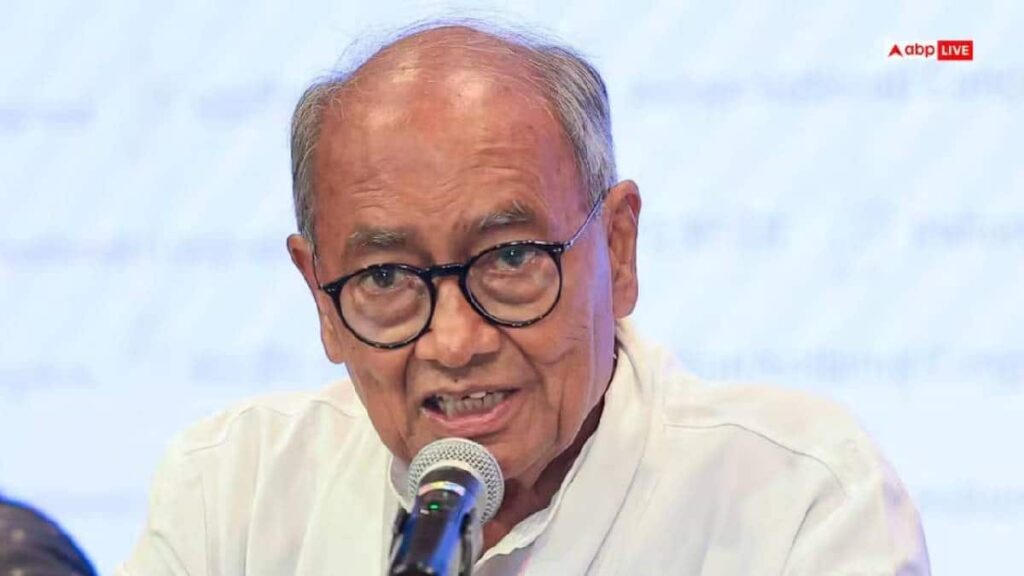
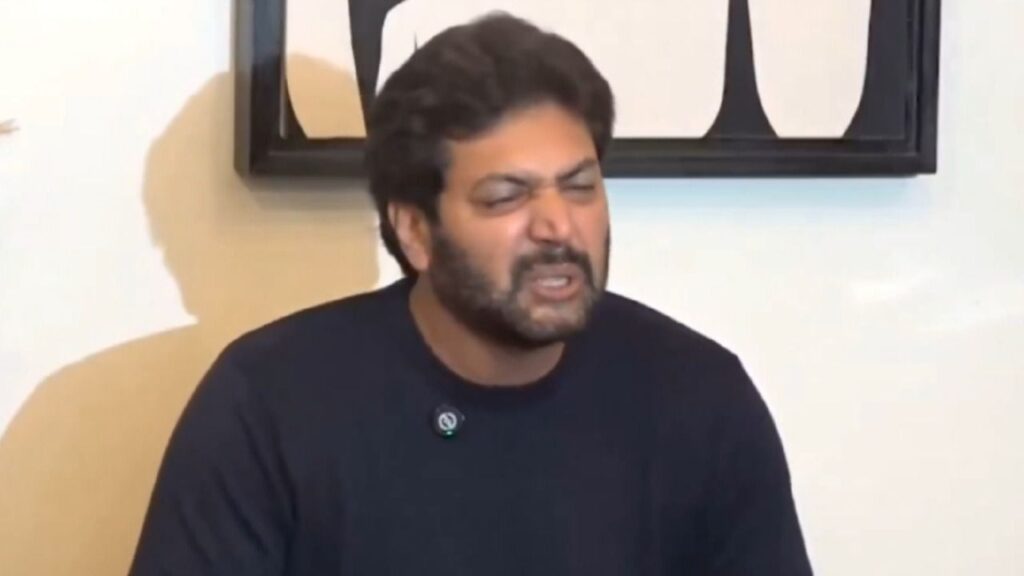
Sharing the viral clip, one user wrote, “The present trend of making fun of Saurabh Dwivedi’s acting skills is just another nail in the coffin for a society which is increasingly disincentivising failure. I want people to try diverse things without fearing failure. I want my people to try and even fail But not stop trying because people will laugh.”
Defending his stance, he said, “Society is now running on extreme caution inducing the fear of failure like death.”
In his clip, he said, “Friends, people have gone mad here while constantly trolling Sourav Dwivedi. I absolutely hate this yaar. You know what, failing in India, whatever new thing you try, it turns out good, it turns out bad, people just go mad, turn them memes, every time people are laughing at this or that person, that they have become memes. Do you know the impact of this? Sociologists have raised this, think about it, it used to happen earlier, people used to dance and sing in public, now people do not dance and sing in public, their video might go viral somewhere. Boys used to propose girls or are having a conversation. They now don’t propose. Sociologist also have highlted that boys now don’t propose girls as they fear about going viral. Or a screenshot doesn’t go viral.”
Further, he added, “So because of this, all the time people are looking for memes and making fun of each other. Brother, the feeling of fear that is being created in the mind because of this, the population will collapse because we will keep on being afraid that we should not approach anyone. The fear of failure is so deep that it feels like death. So, I am feeling a little bad here for Saurabh Dwivedi. Whatever you are doing with others, the fear of that will haunt you all the time that it can happen with me too. That is why the society makes a norm and you stay away to do some work.”
“So, always remember, you are not making fun of others but stopping yourself from taking a new chance,” he concluded.
The present trend of making fun of Saurabh Dwivedi’s acting skills is just another nail in the coffin for a society which is increasingly disincentivising failure 🙏
I want people to try diverse things without fearing failure
I want my people to try and even fail
But not stop… pic.twitter.com/ThdfqFyHrV— Shekhar Dutt (@DuttShekhar) May 17, 2026
Beyond One Film Performance
The bigger issue extends beyond Kartavya. India’s internet culture increasingly discourages experimentation. People hesitate to sing, dance, perform, or create because they fear becoming the next viral joke. Failure is no longer treated as part of learning; it is treated like a permanent public embarrassment. The result is a society where people often prefer safety over curiosity.
Also Read: ‘Jali toh hai’: Zakir Khan exposes Bollywood’s ‘Pakistan love’ with Dhurandhar joke; watch
Maybe Kartavya will remain Saurabh Dwivedi’s only acting project. Maybe he will improve and return stronger someday. Either way, one imperfect performance cannot erase his credibility as a journalist or define his entire identity.
After all, every profession has a first day, every artist begins imperfectly, and every success story once looked uncertain in the beginning.