
 English




















































































































































































































































































































































































































































































































































































































































































































































































































































































































































































































































































































































































































































































































































































































































































































































































































































































































































































































































































































































































































































































































































































































































































































































































































































































































































































































































































































































































































































NIT Rourkela develops AI-based autofocus technology for faster disease detection

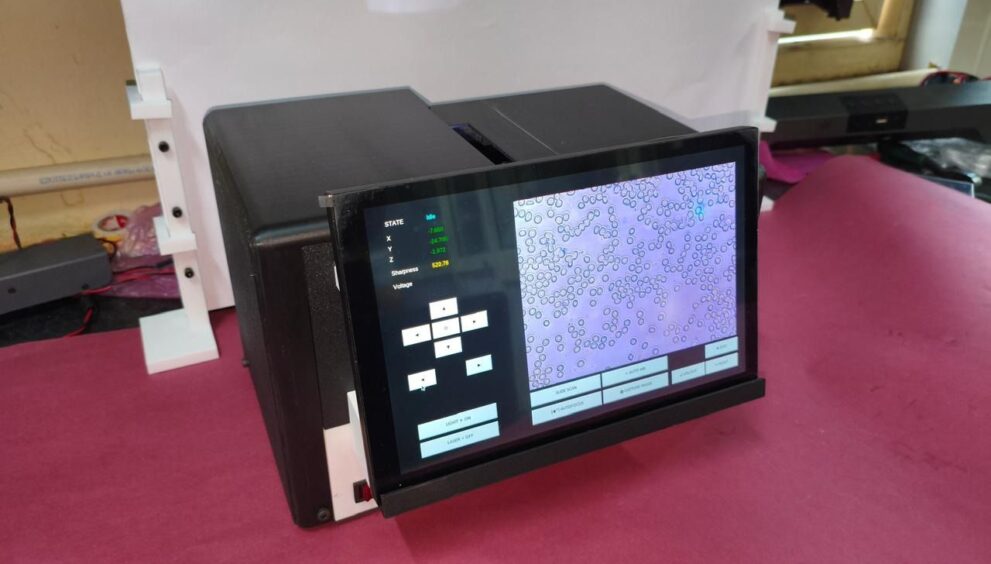

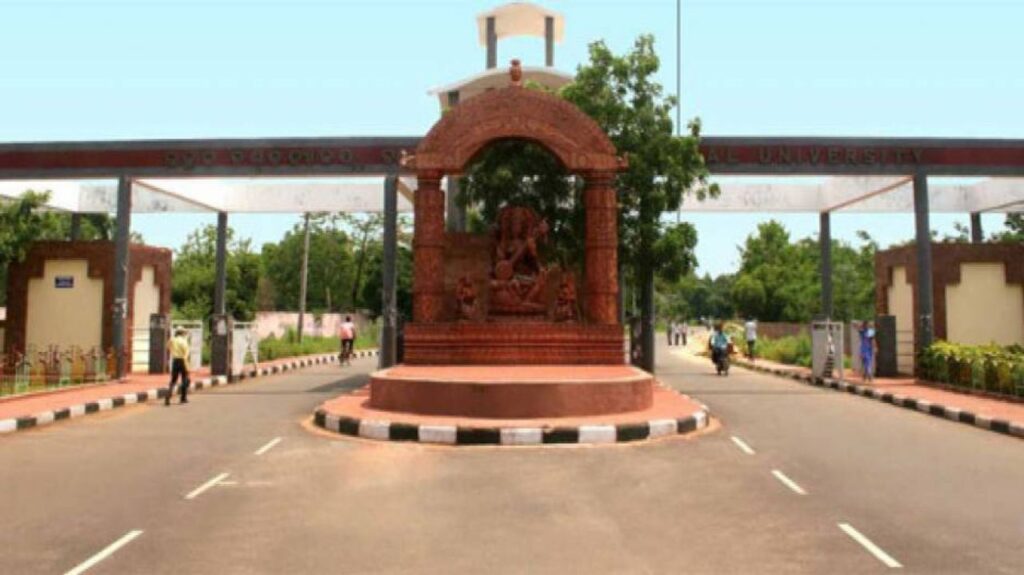
Researchers at National Institute of Technology Rourkela have developed an artificial intelligence-enabled autofocusing technology that can significantly improve microscopic imaging used in biomedical diagnostics and disease detection.
The innovation, developed by the Department of Biotechnology and Medical Engineering at NIT Rourkela in collaboration with startup Glowvista Instruments Private Limited, is designed to deliver rapid, accurate and repeatable imaging results with minimal human intervention. The research team has secured a patent for the technology titled “A Method for Autofocusing in Optofluidic Microsystems and Processes.”
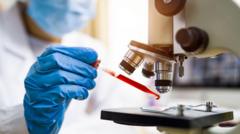
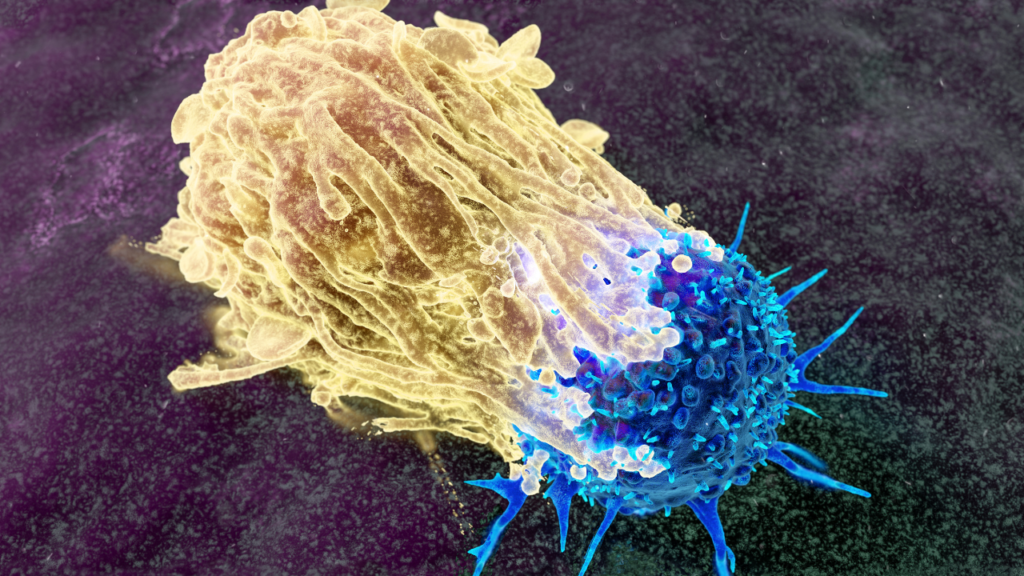
Microscopy plays a crucial role in the healthcare sector for detecting diseases such as cancer, malaria, tuberculosis and various pathology-related conditions. However, conventional microscopy systems depend heavily on manual focusing, which often leads to delays, inconsistent imaging and human errors.
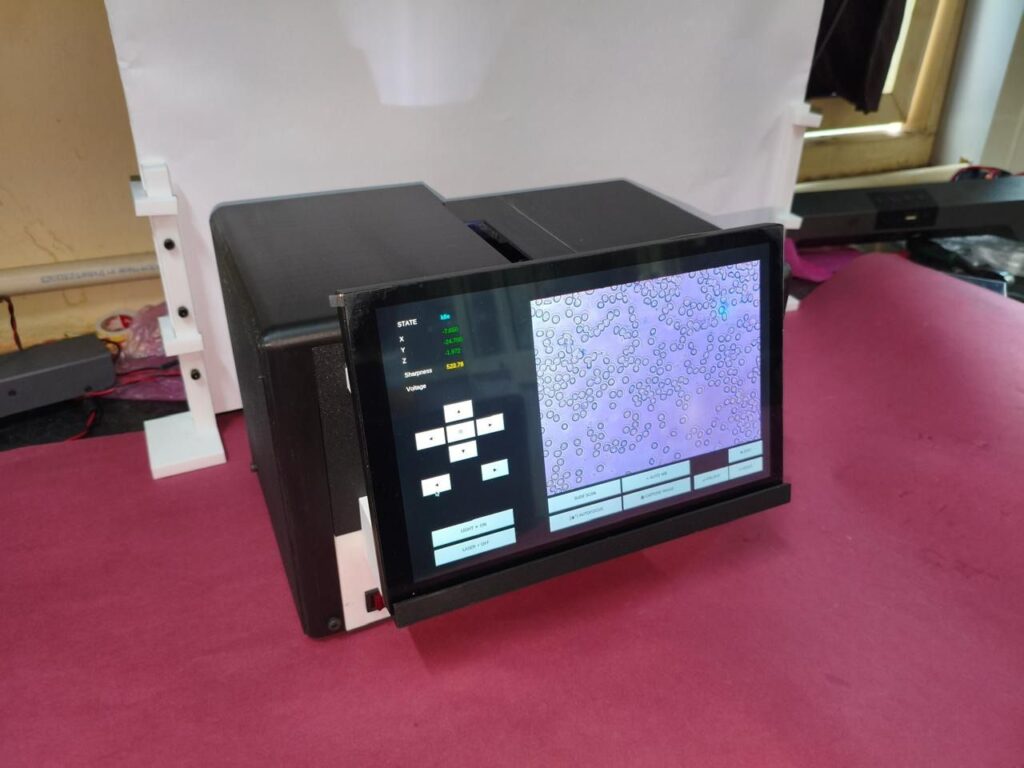
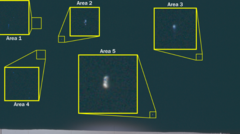
To overcome these challenges, the NIT Rourkela team developed an optofluidic digital microscopy platform integrated with deep learning technology, optical imaging systems and automated motion control. The system continuously analyses microscopic images in real time and automatically adjusts focus through an intelligent feedback mechanism.
According to the institute, the technology was developed at a cost of around Rs 1.20 lakh and has shown promising results during laboratory-scale testing. The system reportedly demonstrated accurate detection of Acute Lymphoblastic Leukemia, malaria and complete blood cell counts through advanced blood cell classification techniques.
The research team includes Prof. Earu Banoth, Assistant Professor in the Department of Biotechnology and Medical Engineering and Founder-Director of Glowvista Instruments Pvt. Ltd.; Dr. Shaik Ahmadsaidulu, research graduate at NIT Rourkela; along with incubatee members Amol Lalchand Salve and Padmanaban Selvakumar from Glowvista Instruments.
Speaking about the innovation, Prof. Banoth said the goal is to develop a simple handheld diagnostic system capable of delivering performance comparable to imported automated microscopy technologies. He added that the team plans to expand the system for multiple biomedical applications and field-level deployment.
Key features of the developed technology include AI-powered intelligent autofocus, real-time image processing, automated focus adjustment, cloud-enabled learning and enhanced imaging of complex biological samples.
Also Read: NIT Rourkela develops eco-friendly system to treat dairy wastewater
Researchers said the system could find applications in biomedical diagnostics, digital pathology, AI-assisted microscopy, portable healthcare devices, smart laboratory automation and remote diagnostic systems.
The project received funding support from the Anusandhan National Research Foundation (ANRF), the Department of Science and Technology (DST) and the Department of Biotechnology (DBT), Government of India.
Officials at NIT Rourkela said the innovation aligns with the Government of India’s “Make in India” initiative and reflects the institute’s focus on developing affordable indigenous healthcare technologies.