
 English


















































































































































































































































































































































































































































































































































































































































































































































































































































































































































































































































































































































































































































































































































































































































































































































































































































































































































































































































































































































































































































































































































































































































































































































































































































































































































































































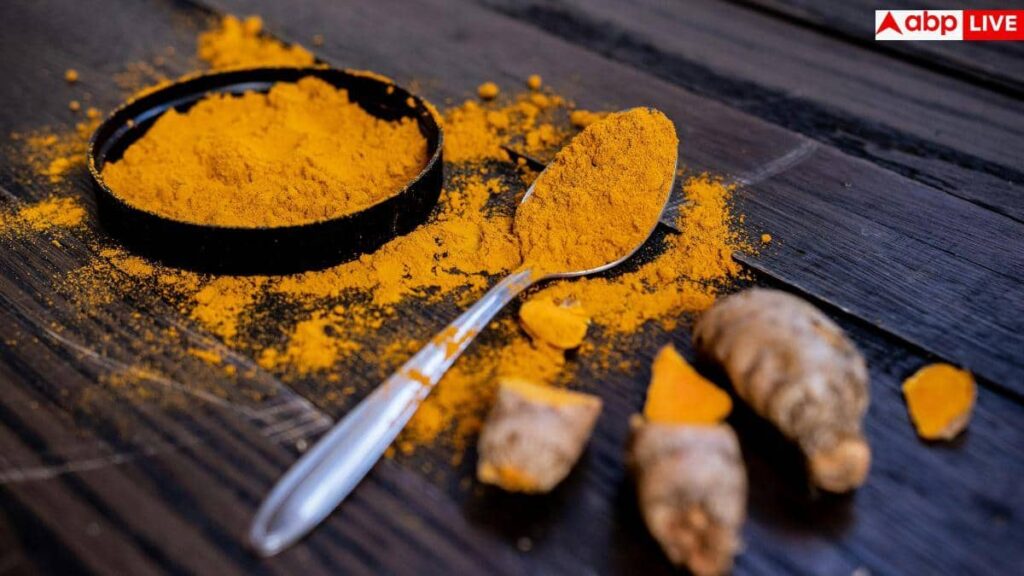
















































































Garam Masala sent businessman to jail for 57 days! HC granted ₹10 lakh after lab tests revealed ‘not drugs’



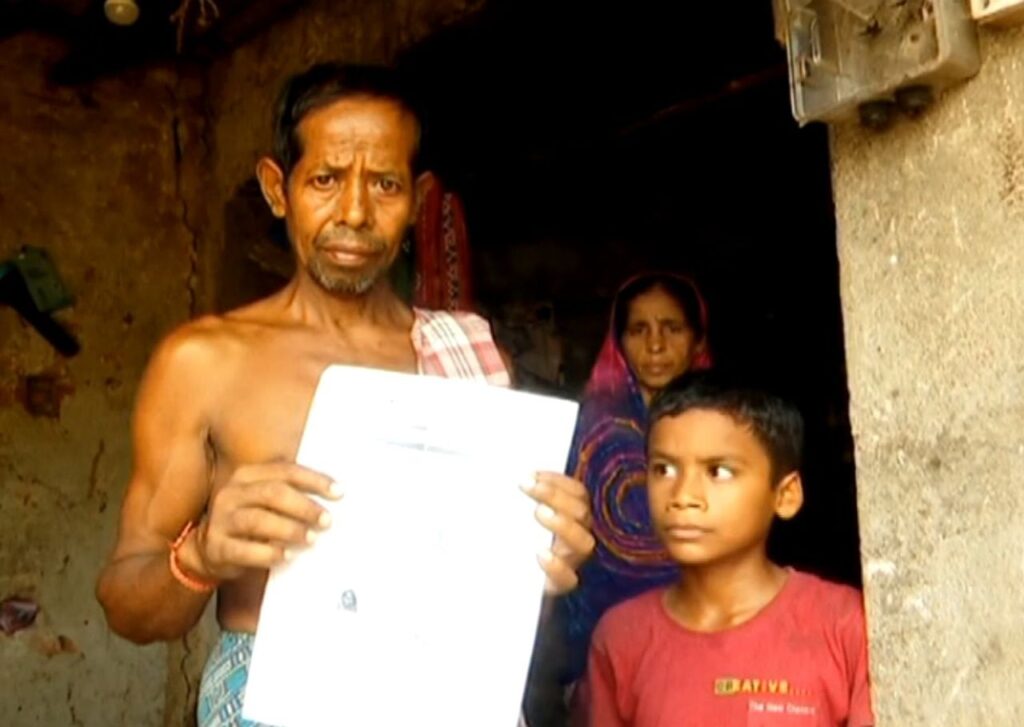
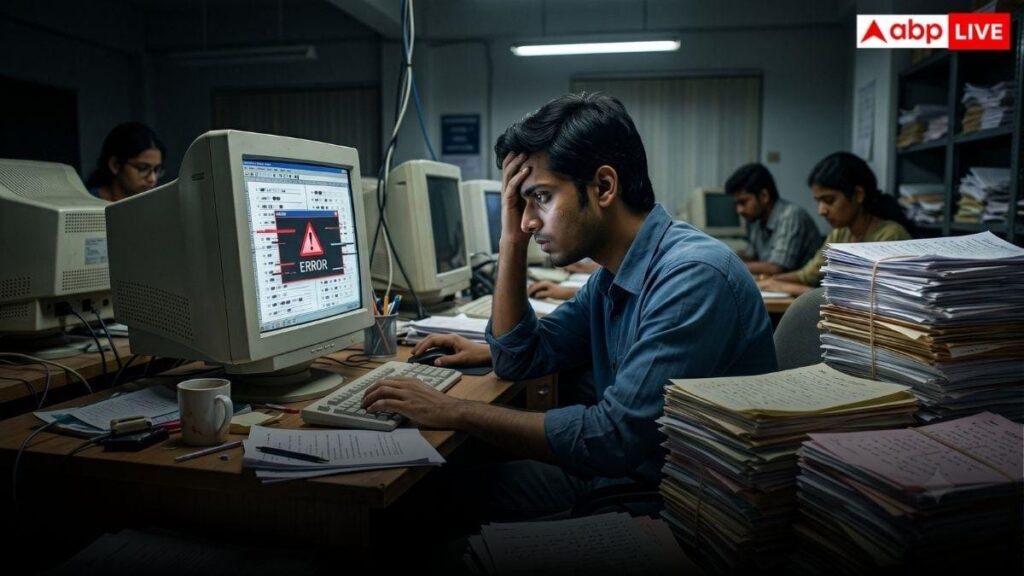
What began as a routine airport security screening eventually turned into a prolonged legal and personal ordeal for a Madhya Pradesh businessman. In a striking case of alleged procedural failure, packets of everyday Indian spices were mistaken for narcotics, leading to his arrest and 57 days in jail before forensic investigations cleared him completely.
Must Check: From Kanyakumari to Karakoram: Meet the Indian ultra runner covering 5,000 Km to salute India’s armed forces
Airport Scanner Flagged Common Kitchen Spices!
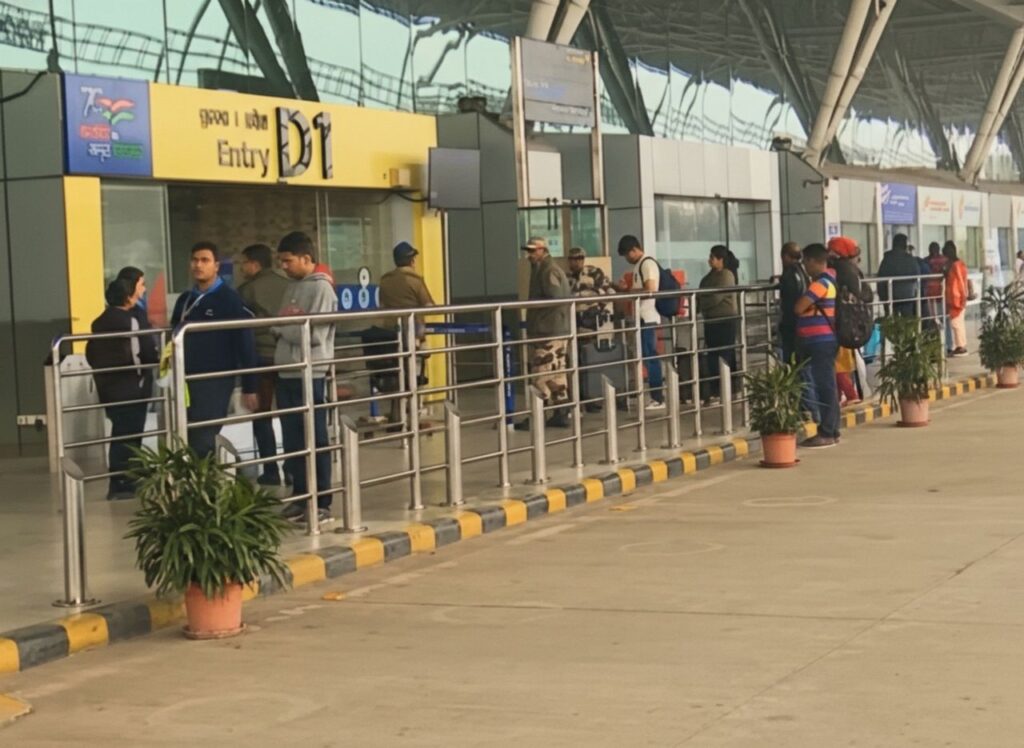
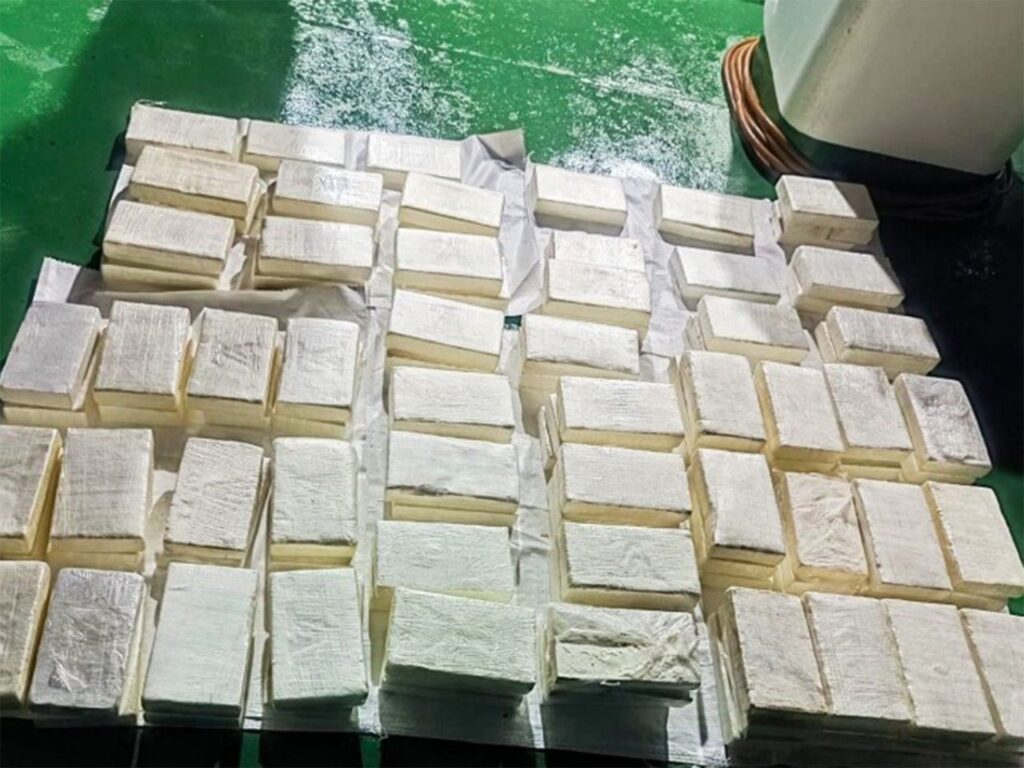
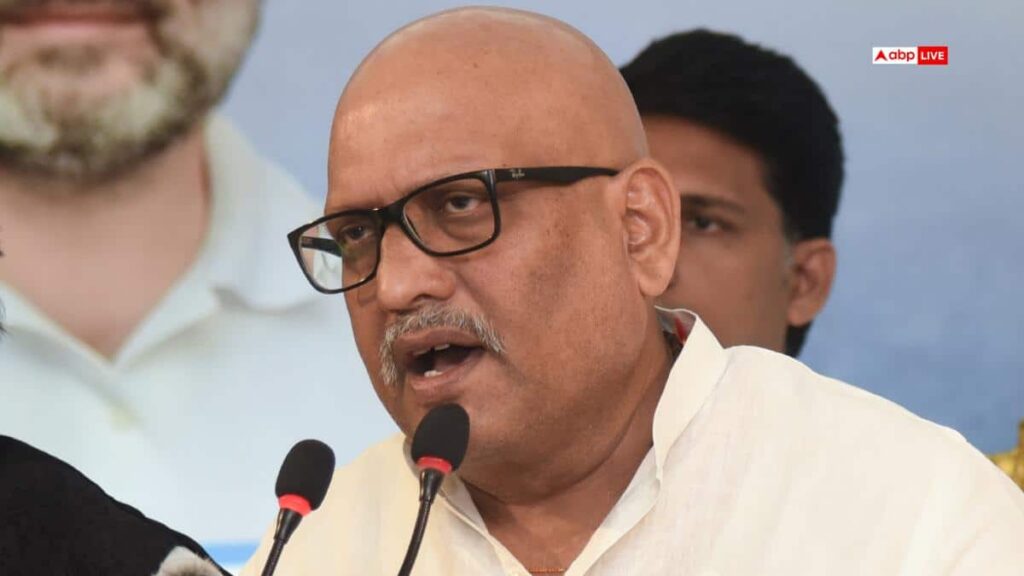
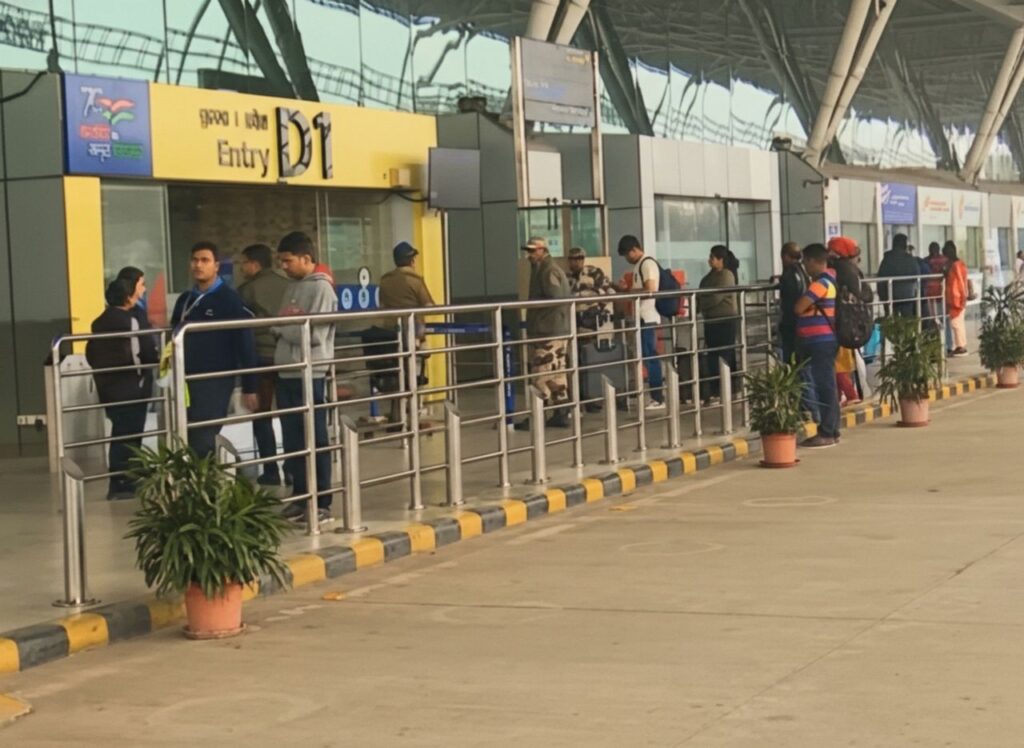
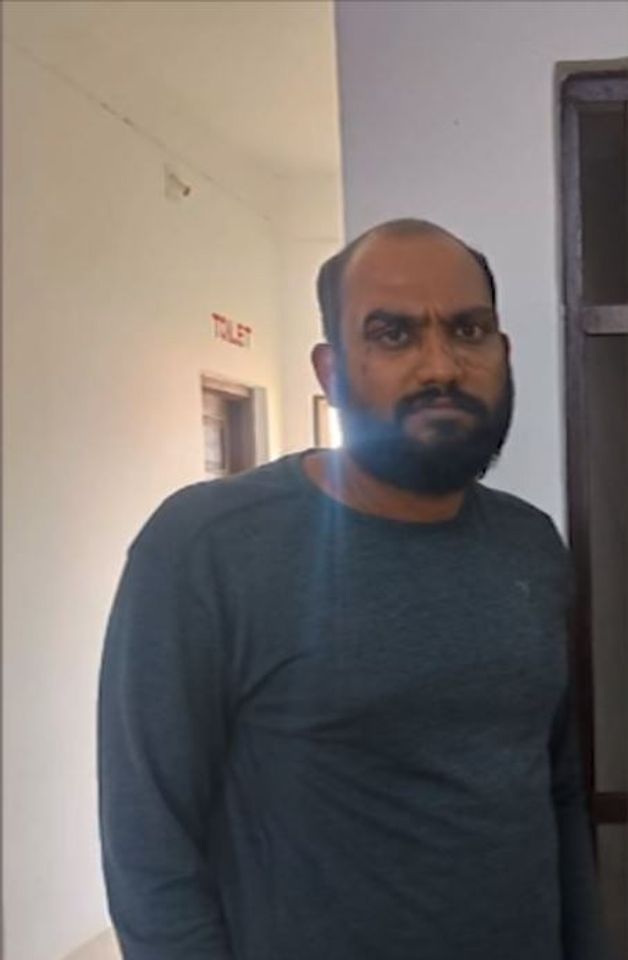
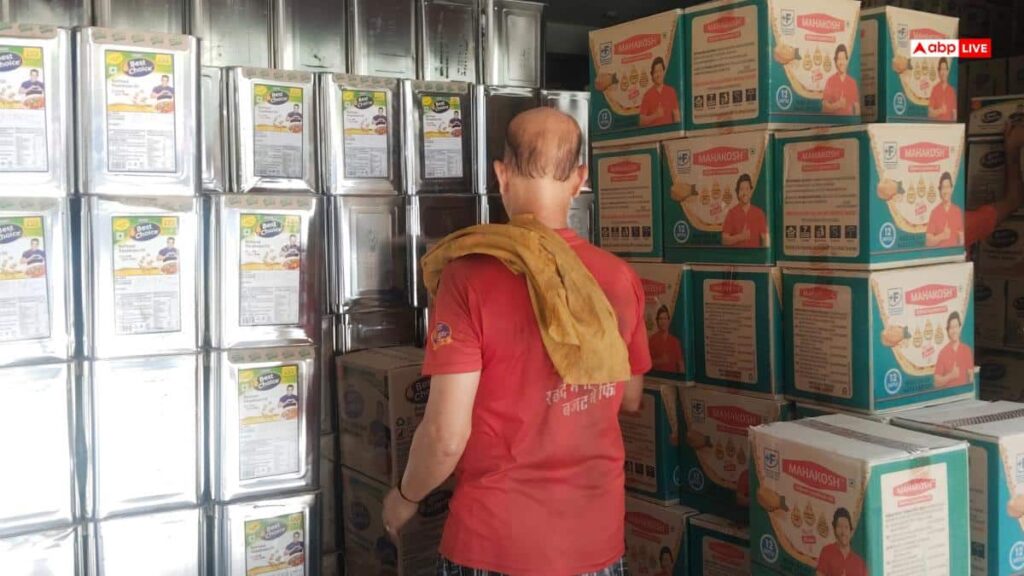
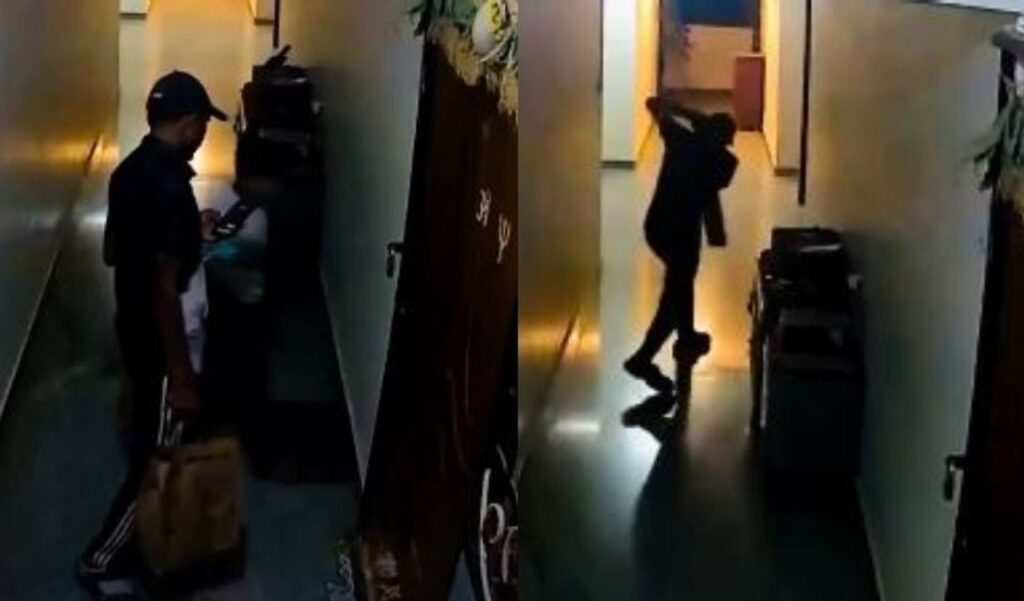
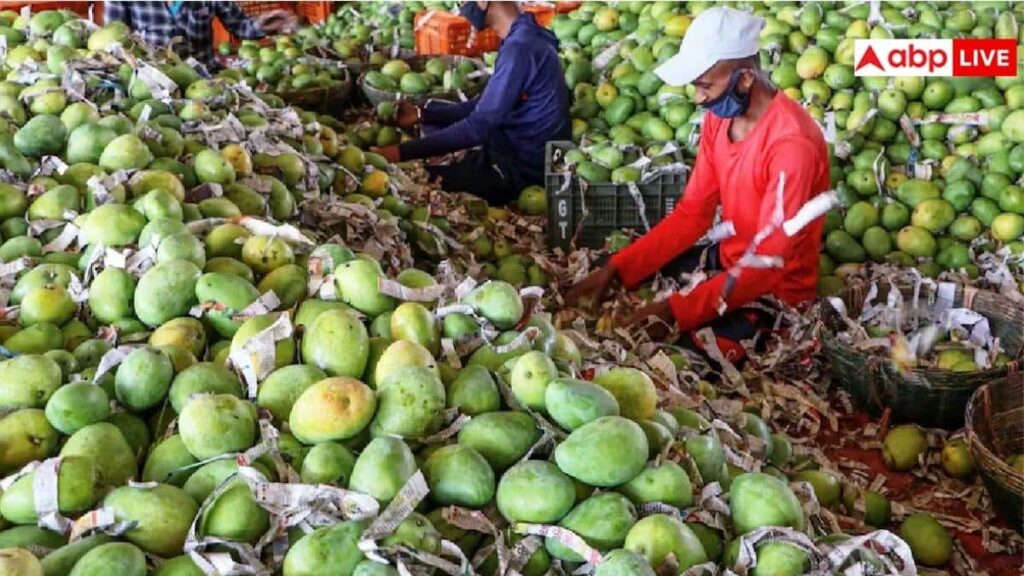
According to court records and multiple media reports, businessman Ajay Singh was travelling from Bhopal to Delhi on May 7, 2010, before boarding a flight to Malaysia. During baggage screening at Raja Bhoj Airport, an Explosive Trace Detector (ETD) machine reportedly detected traces of heroin and MDEA — a psychotropic substance banned under the NDPS Act — in packets containing branded aamchur powder and garam masala.
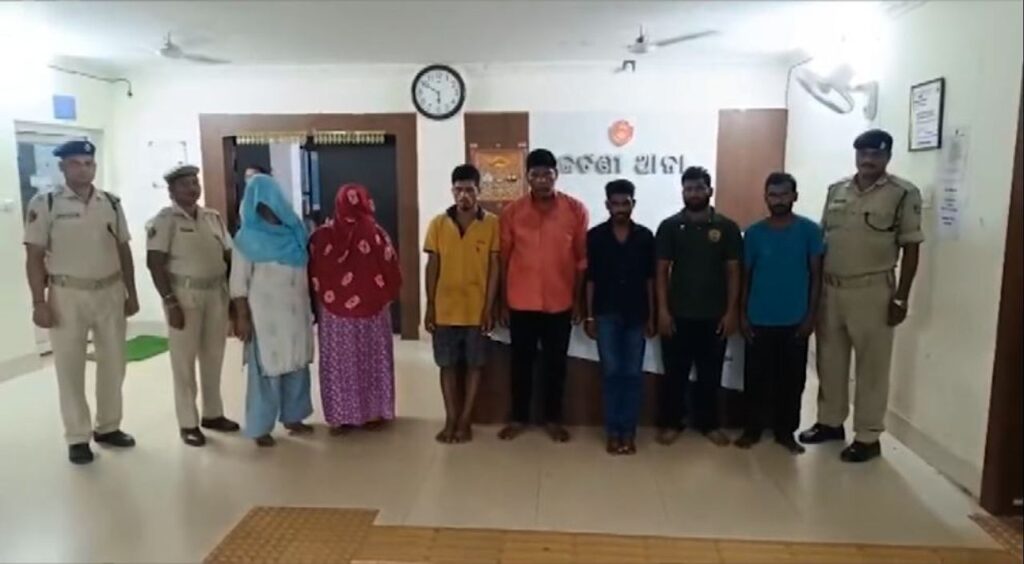
Singh was immediately detained and arrested under stringent narcotics laws. Despite repeatedly claiming that the packets only contained spices, he remained incarcerated for nearly two months.
Forensic Tests Exposed the Error
The seized samples were first examined by the Regional Forensic Science Laboratory (RFSL), which reportedly failed to give a conclusive opinion due to lack of adequate testing facilities. The samples were later sent to the Central Forensic Science Laboratory (CFSL), Hyderabad. The CFSL eventually confirmed that the substances were not narcotics or psychotropic drugs.
Following the report, the case against Singh was closed, but only after he had already spent 57 days behind bars.
High Court Ordered ₹10 Lakh Compensation
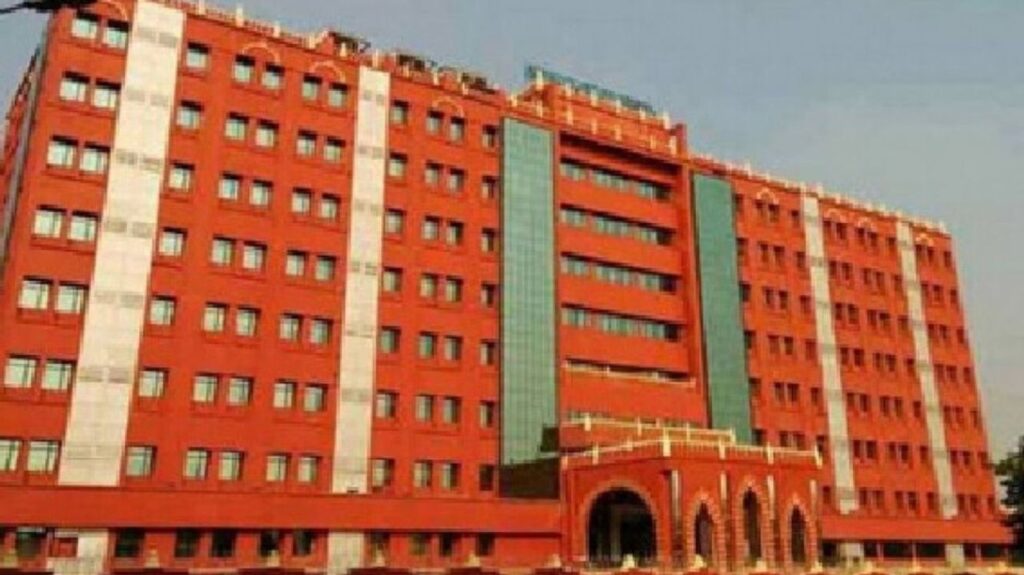
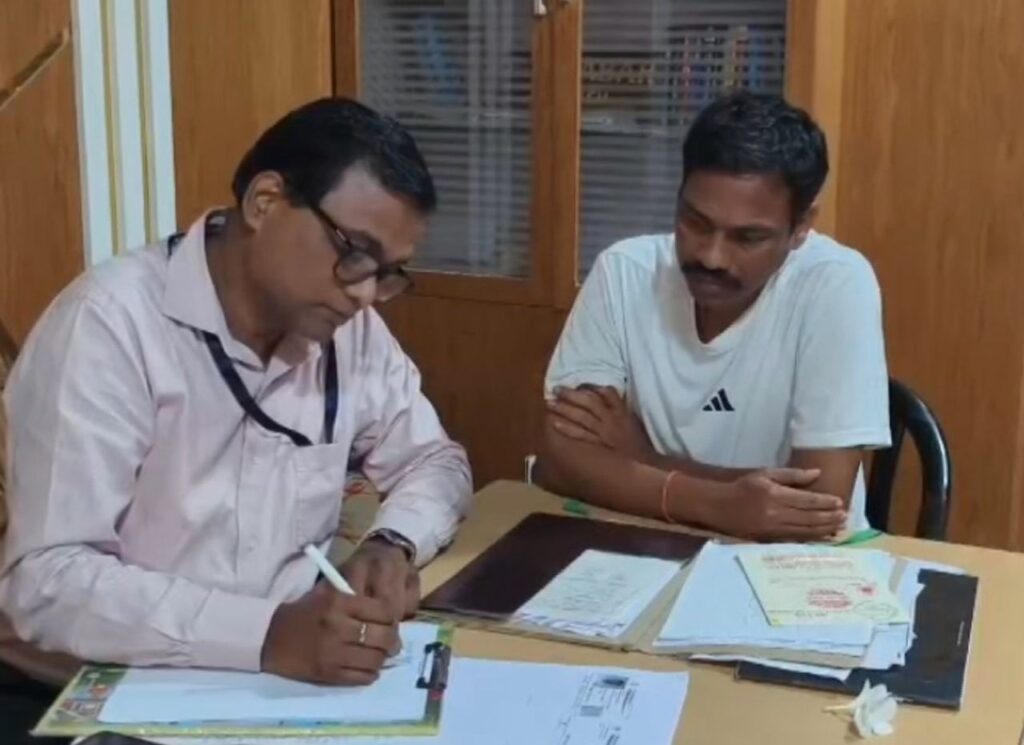
Hearing Singh’s petition, Justice Deepak Khot of the Madhya Pradesh High Court held that the businessman’s fundamental rights under Article 21 had been violated. The court observed that ETD machines are only indicative tools and cannot be treated as final proof of contraband possession. The High Court also questioned whether imported detection machines were properly calibrated for aromatic Indian spices.
Must Read: Abandoned by husband but unbroken: Kalyan mother drives auto for 16 hours daily to educate daughter
It directed the Madhya Pradesh Chief Secretary to inspect forensic laboratories across the state and ensure the availability of modern equipment and trained personnel. The court further ordered the state government to pay Singh ₹10 lakh compensation within three months.