 English


















































































































































































































































































































































































































































































































































































































































































































































































































































































































































































































































































































































































































































































































































































































































































































































































































































Centre notifies National Sports Governance Board and Tribunal Rules 2026; major push for transparency and faster sports dispute resolution


In a significant reform aimed at reshaping the administration of sports in India, the Union Government has officially notified the National Sports Governance (National Sports Board) Rules, 2026 and the National Sports Governance (National Sports Tribunal) Rules, 2026 under the provisions of the National Sports Governance Act, 2025.
The move is being viewed as one of the most comprehensive structural overhauls in Indian sports governance in recent years, with the Centre attempting to bring greater transparency, accountability and professionalism to the functioning of sports federations and dispute resolution mechanisms.
The newly notified rules establish two key institutional pillars — the National Sports Board and the National Sports Tribunal — both of which are expected to play a transformative role in regulating sports administration and handling conflicts in the sector.
National Sports Board to Monitor Governance Standards
Under the new framework, the National Sports Board will become the apex authority responsible for granting recognition to National Sports Bodies (NSBs) and monitoring whether they comply with prescribed governance, financial and ethical norms.
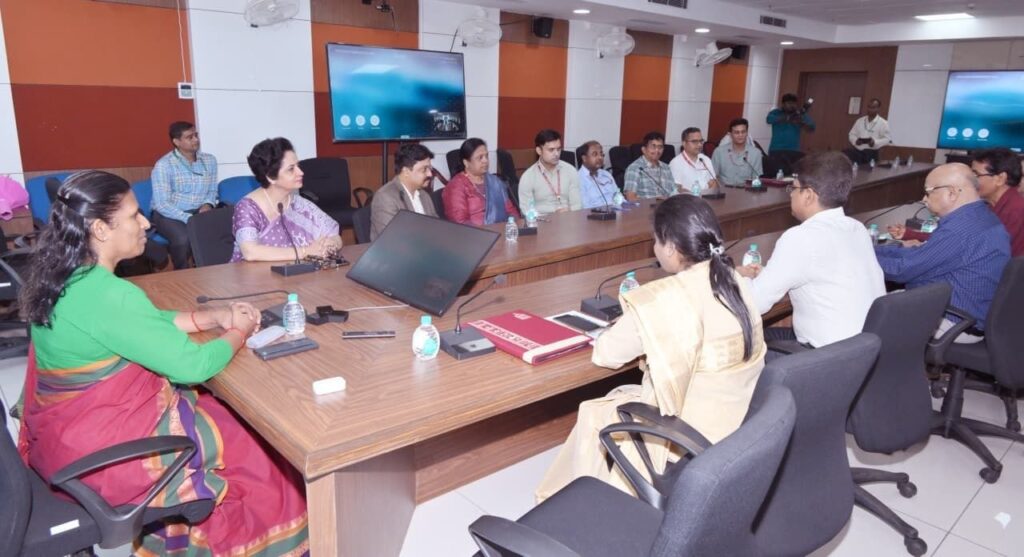
According to the notification, the Board will comprise a Chairperson and two Members. They will be appointed by the Central Government from a panel of names recommended by a Search-cum-Selection Committee constituted under separate rules notified for that purpose.
The rules clearly define the composition of the Board, tenure of office, salaries, allowances, service conditions and powers of its members.
Key Functions of the National Sports Board
The Board’s primary responsibilities will include:
Granting and reviewing recognition of National Sports Bodies
Ensuring compliance with governance and ethical standards
Monitoring financial transparency and accountability
Promoting fair administration in sports organisations
Overseeing institutional reforms within sports federations
The establishment of the Board is expected to bring stronger regulatory oversight over sports bodies that have often faced allegations of administrative irregularities, financial opacity and governance disputes.
For years, several sports federations in India have been criticised for issues such as prolonged tenure of office-bearers, political interference, lack of athlete representation and internal conflicts. The new system seeks to institutionalise checks and balances through a statutory mechanism.
Dedicated National Sports Tribunal for Faster Dispute Resolution
Alongside the Board, the Centre has also notified the National Sports Governance (National Sports Tribunal) Rules, 2026, paving the way for the creation of a specialised judicial body dedicated exclusively to sports-related disputes.
The Tribunal is intended to function as an independent adjudicatory mechanism that can resolve conflicts related to sports governance and administration without forcing athletes, federations or officials to approach civil courts.
Objective: Reduce Delays and Multiplicity of Litigation
Sports disputes in India have traditionally faced long legal delays due to dependence on regular courts. Selection controversies, federation elections, disciplinary actions and governance issues often remain unresolved for months or even years, affecting athletes’ careers and sporting events.
The government believes the new Tribunal will help create a faster, simpler and more accessible dispute resolution ecosystem.
The Tribunal is expected to:
Ensure speedy disposal of sports disputes
Provide independent and specialised adjudication
Reduce burden on civil courts
Minimise multiple parallel litigations
Offer cost-effective legal remedies
Create a single-window system for sports conflicts
The rules also define the appointment process, tenure, salaries, reappointment norms and powers of the Tribunal’s Chairperson and Members.
Strong Push Towards Digital Sports Justice System
One of the most notable features of the Tribunal Rules is the incorporation of techno-legal and digital governance measures.
The government has proposed a dedicated digital portal through which stakeholders can:
File disputes and petitions online
Submit notices and responses
Upload documents and clarifications
Receive official communications from the Tribunal
Access published orders and proceedings
Participate in virtual hearings
Maintain digital records of cases
This digital-first approach is expected to make the dispute resolution process more efficient and accessible, especially for athletes and sports bodies located outside major metropolitan centres.
Experts believe the move aligns with the government’s broader push towards digitisation of judicial and administrative systems.
A Landmark Reform in Indian Sports Administration
The notification of the rules marks a crucial operational step in implementing the National Sports Governance Act, 2025, which was introduced to modernise India’s sports ecosystem and align governance standards with global best practices.
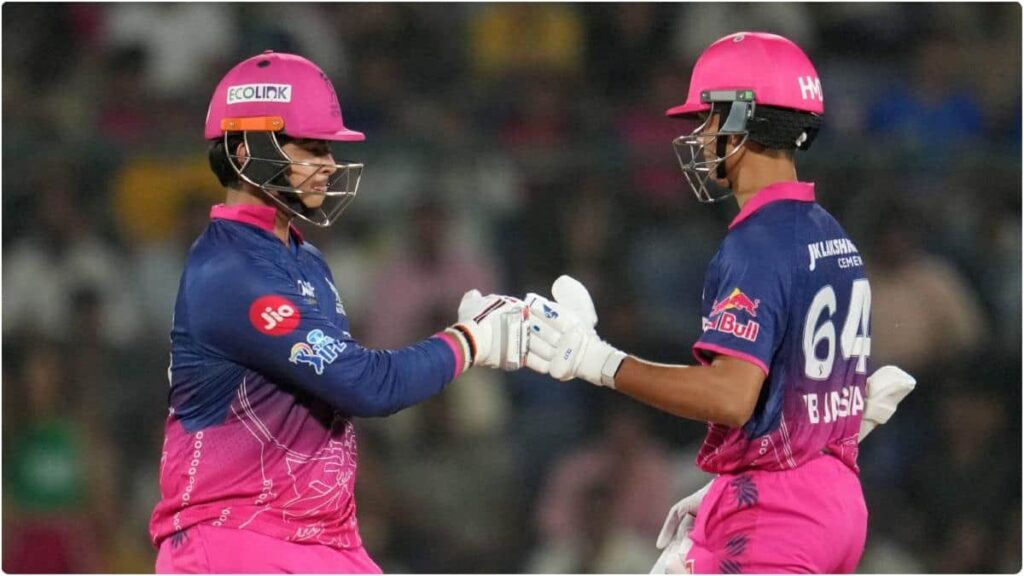
The reforms come at a time when India is aggressively investing in sports infrastructure, athlete development and international sporting ambitions, including aspirations to host major global sporting events in the future.
Analysts say stronger governance structures are essential if India aims to emerge as a serious global sporting power.
Why These Reforms Matter
The new framework attempts to address several long-standing challenges in Indian sports administration, including:
Lack of institutional accountability
Delayed resolution of disputes
Administrative interference in sports bodies
Weak governance standards
Financial irregularities
Legal uncertainty in federation functioning
By creating statutory oversight and an independent dispute mechanism, the government hopes to build greater trust among athletes, federations, sponsors and international sporting organisations.
Athletes Expected to Benefit the Most
Athletes are likely to be among the biggest beneficiaries of the reforms. In many past disputes involving team selection, suspensions, disciplinary proceedings or federation conflicts, athletes often struggled to obtain timely justice.
The Tribunal’s proposed faster and specialised adjudication mechanism could significantly reduce uncertainty and provide athletes with quicker remedies during crucial phases of their careers.
Moreover, better governance oversight by the National Sports Board may encourage greater transparency in federation operations, athlete welfare programmes and fund utilisation.