 English




















































































































































































































































































































































































































































































































































































































































































































































































































































































































































































































































































































































































































































































































































































































































































































































































































































































































































































































































































































































































































































































































































































































































































































































































































































Receive the world without the arrogance of ownership



By Prasanna Mishra
There is a quiet but dangerous illusion at the heart of modern civilisation: the belief that whatever we can control, accumulate, purchase, dominate, or legally possess, truly belongs to us. Human beings today speak endlessly of “my” land, “my” wealth, “my” success, “my” position, “my” resources, “my” influence, and even “my” time, as though existence itself has been permanently transferred into our custody. Yet beneath this language of ownership lies a profound fragility. We arrive empty-handed into the world and leave it equally empty-handed. Between birth and death, we merely pass through.
The ancient insight of the Isha Upanishad — “Receive the world without the arrogance of ownership” — therefore remains one of the most urgently relevant moral and spiritual reminders for our age. It is not a call to reject the world, nor an attack on prosperity, ambition, or achievement. It is a warning against possessiveness becoming the foundation of human consciousness.
Modern society increasingly measures human worth through accumulation. Success is displayed through larger houses, expensive vehicles, strategic influence, digital visibility, social prestige, and control over institutions or people. Even relationships are sometimes approached with the mentality of possession rather than companionship. The result is not peace but exhaustion. The more human beings possess, the more they fear losing what they possess. Wealth demands protection. Power creates insecurity. Prestige generates anxiety. Ownership slowly becomes psychological imprisonment.
The Upanishadic wisdom does not deny the usefulness of material life. Human beings require shelter, comfort, security, resources, and social organization. Civilizations cannot function without property, institutions, or economic systems. But the Upanishad introduces a subtle distinction between use and ownership. We may use the gifts of existence responsibly, but we become spiritually distorted when we begin to imagine ourselves absolute owners.
Consider the most basic conditions of human survival. We breathe air continuously from birth until death. Yet none of us manufactures oxygen. The atmosphere sustaining life existed long before our arrival and will continue after our departure. We drink water that emerged through vast planetary cycles beyond human creation. We eat food grown through sunlight, soil, rain, seeds, microbial life, and the labour of countless unseen hands. Even the human body itself is borrowed matter from nature, temporarily organized into living form.
Still, modern humanity behaves less like a grateful participant in existence and more like an entitled master of it.
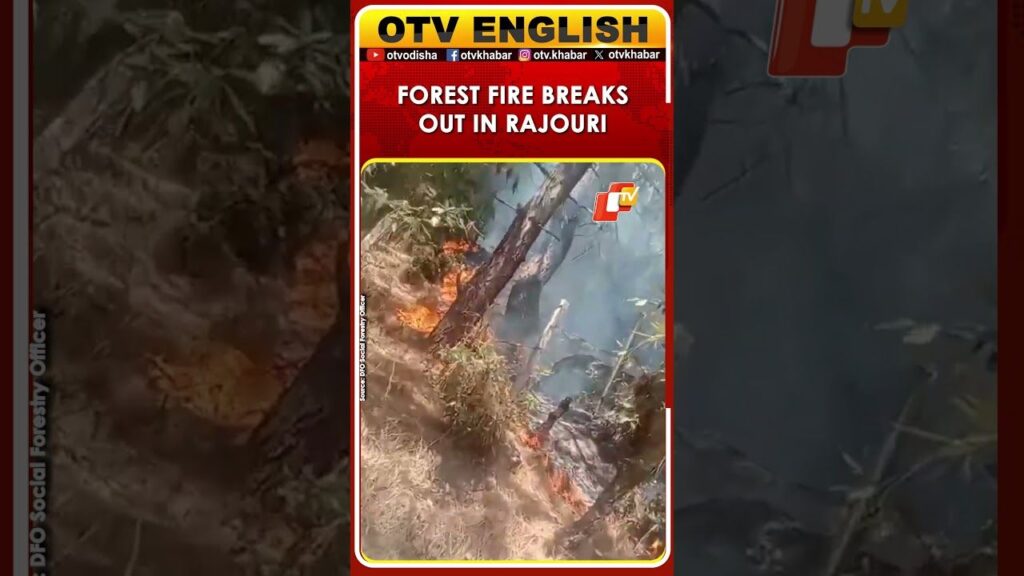
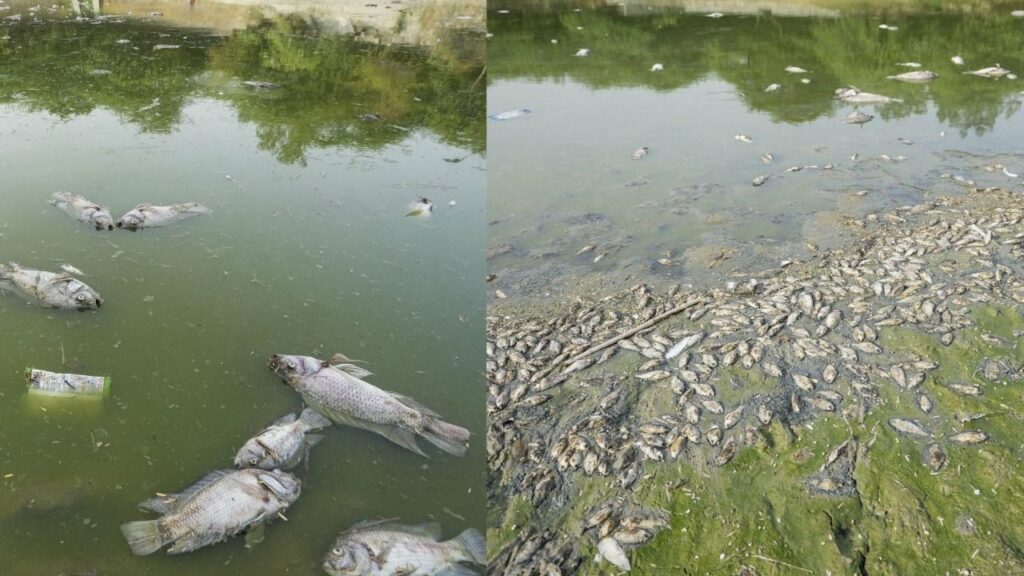
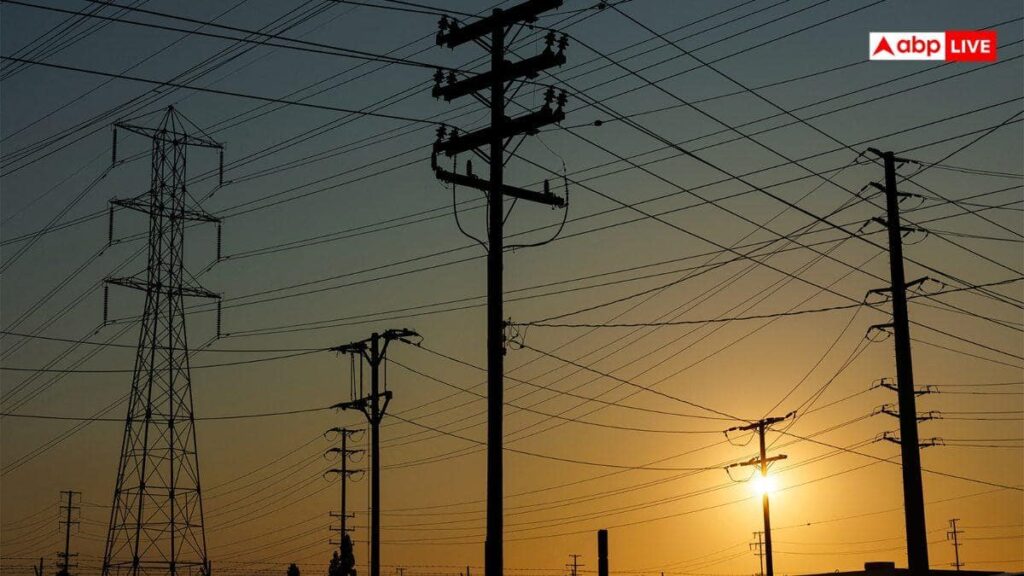
This arrogance of ownership has produced devastating consequences. Forests are destroyed not because humanity needs survival alone, but because greed has expanded beyond restraint. Rivers are poisoned in pursuit of limitless extraction. Mountains are excavated with little thought for ecological balance. Cities rise in dazzling steel and glass while loneliness, alienation, and emotional emptiness deepen inside them. Human civilization has acquired extraordinary technological power, but moral humility has not kept pace with material capability.
The same possessiveness shapes political and institutional life. Nations seek dominance rather than cooperation. Leaders become intoxicated with authority and begin to confuse temporary office with permanent entitlement. Bureaucracies often forget that public power is a form of trusteeship, not personal inheritance. Even intellectual life suffers from this disease when knowledge becomes an instrument of ego rather than service.
The tragedy is that arrogance rarely announces itself openly. It often disguises itself as success, efficiency, confidence, nationalism, or personal achievement. Yet beneath it lies a subtle refusal to acknowledge dependence on others, on nature, on society, and on forces larger than oneself.
The Upanishadic perspective restores balance by introducing the idea of sacred stewardship. Human beings are not owners of existence but participants within it. A farmer may cultivate land lovingly for decades, but he cannot command rainfall. A scientist may innovate brilliantly, but cannot create the laws of nature. A ruler may govern millions, but cannot negotiate with mortality. Every human accomplishment ultimately rests upon conditions that no individual created independently.
Once this truth is sincerely recognized, gratitude naturally begins to replace arrogance.
The person who understands life as gift rather than possession behaves differently. Such a person may still work hard, create wealth, build institutions, and pursue excellence, but without the intoxication of absolute ownership. Success becomes responsibility rather than vanity. Power becomes duty rather than domination. Wealth becomes an instrument rather than identity.
This insight also transforms our relationship with other human beings. Much cruelty in the world emerges from the desire to control, dominate, or reduce others into extensions of one’s own ambition. But if existence itself is shared rather than possessed, then fellow human beings can no longer be treated merely as instruments for personal advancement.
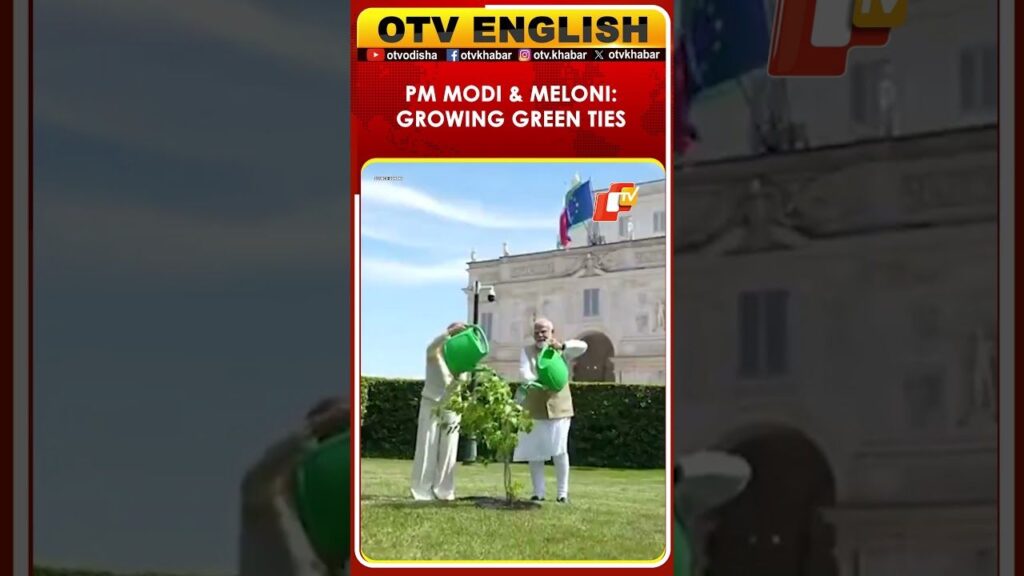
The ecological implications of this wisdom are equally profound. Environmental destruction is ultimately a spiritual crisis before it becomes a technological or political one. A civilization that views nature merely as “resource” will inevitably exploit it beyond sustainability. But a civilization that sees rivers, forests, mountains, air, and biodiversity as part of a sacred interconnected whole will approach development with restraint and reverence.
The Upanishadic message is therefore not outdated mysticism. It may, in fact, represent one of humanity’s most necessary correctives in an age of excess consumption, aggressive competition, ecological strain, and restless ego.
To “receive the world without the arrogance of ownership” is not to become passive or detached from life. It is to live with awareness that everything entrusted to us — wealth, talent, authority, relationships, intellect, health, even life itself — is temporary. We are custodians, not permanent proprietors.
Perhaps true civilization begins when human beings learn to replace possession with gratitude, domination with stewardship, and ego with humility.For in the end, the earth does not belong to us.We only belong briefly to the earth.
(DISCLAIMER: This is an opinion piece. The views expressed are the author’s own and have nothing to do with OTV’s charter or views. OTV does not assume any responsibility or liability for the same.)