
 English






















































































































































































































































































































































































































































































































































































































































































































































































































































































































































































































































































































































































































































































































































































































































































































































































































































































































































































































































































































































































































































































































































































































































































































































































































































































































































































































































































































































































































Rare Burmese python spotted near Mahanadi riverbank in Odisha’s Paradip

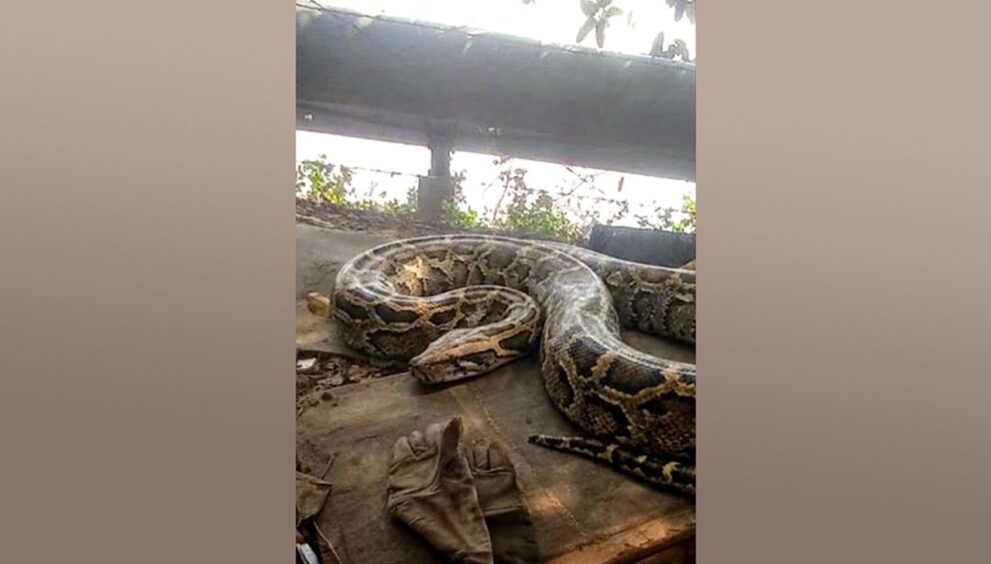

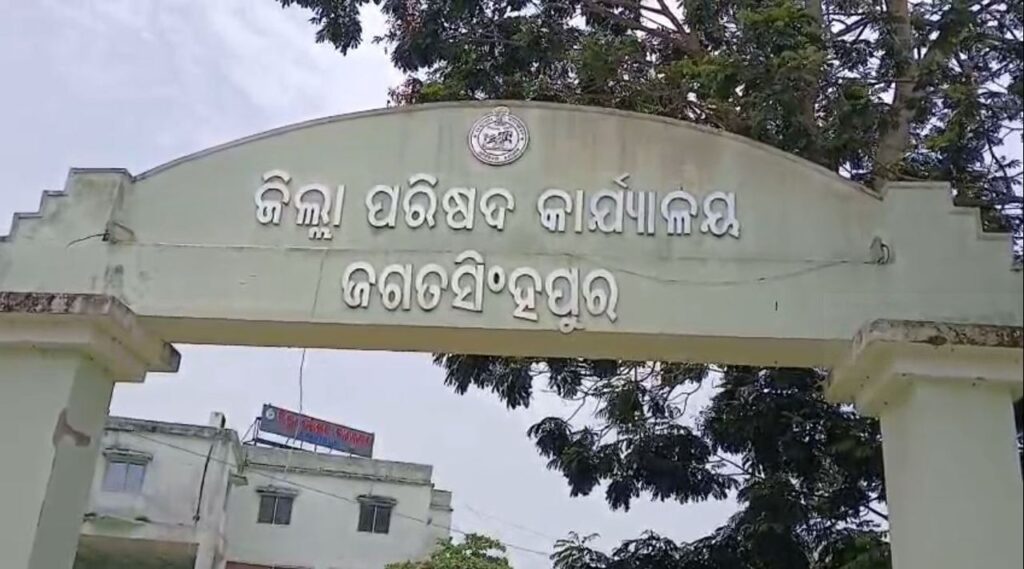
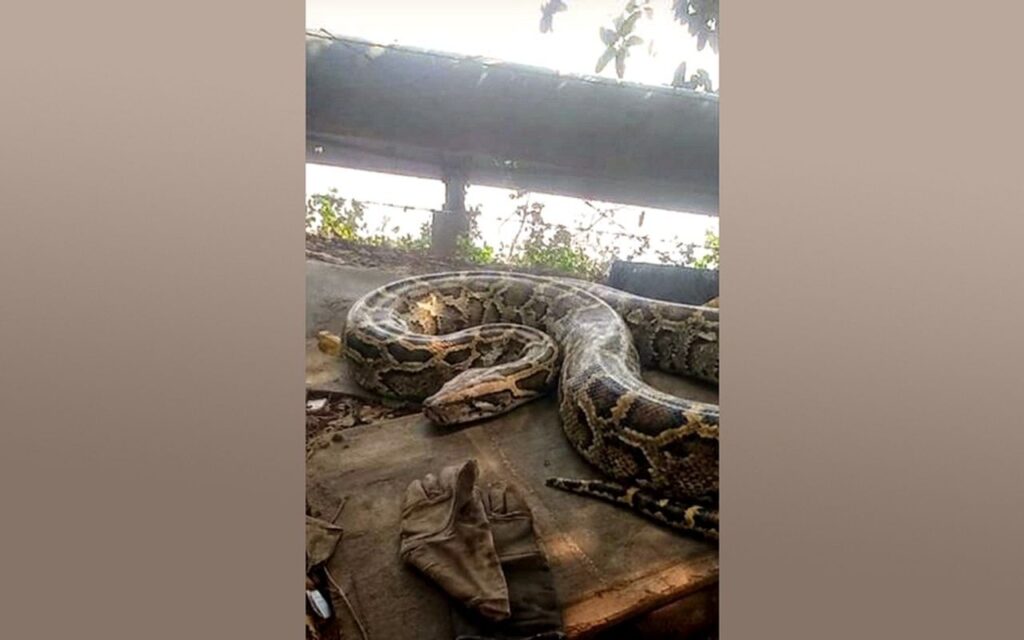
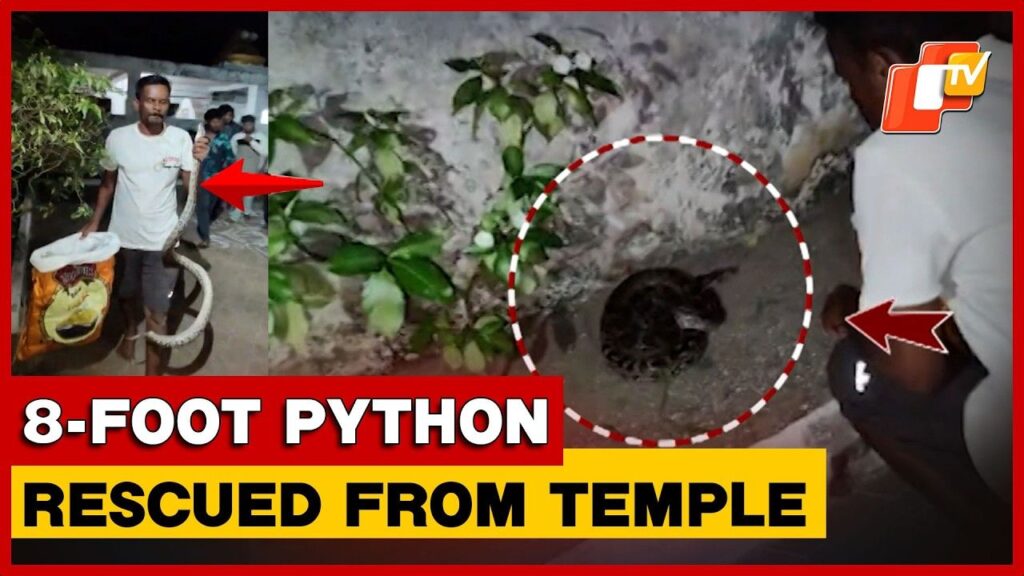
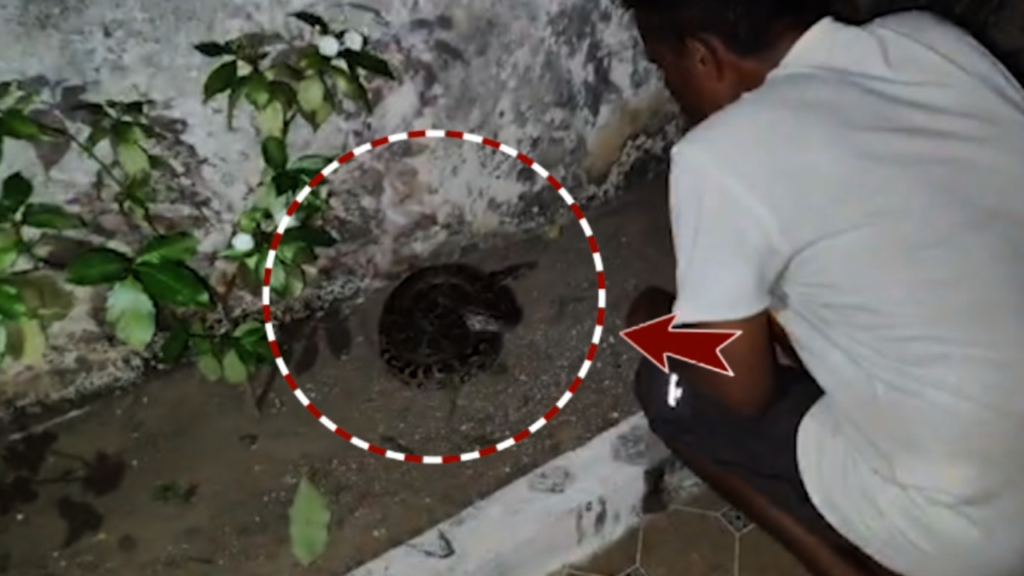
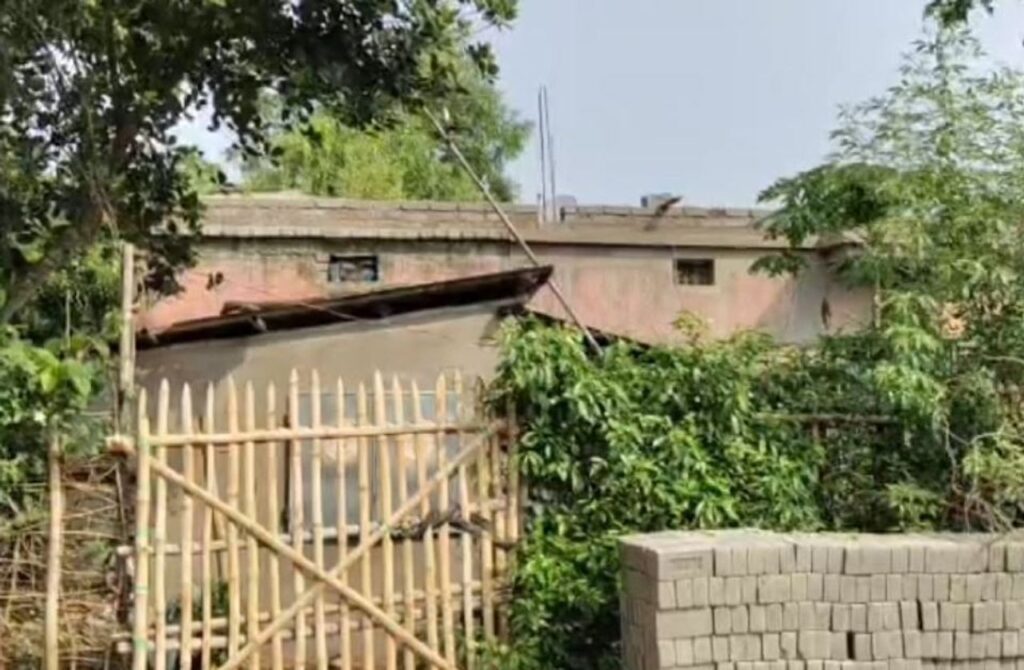
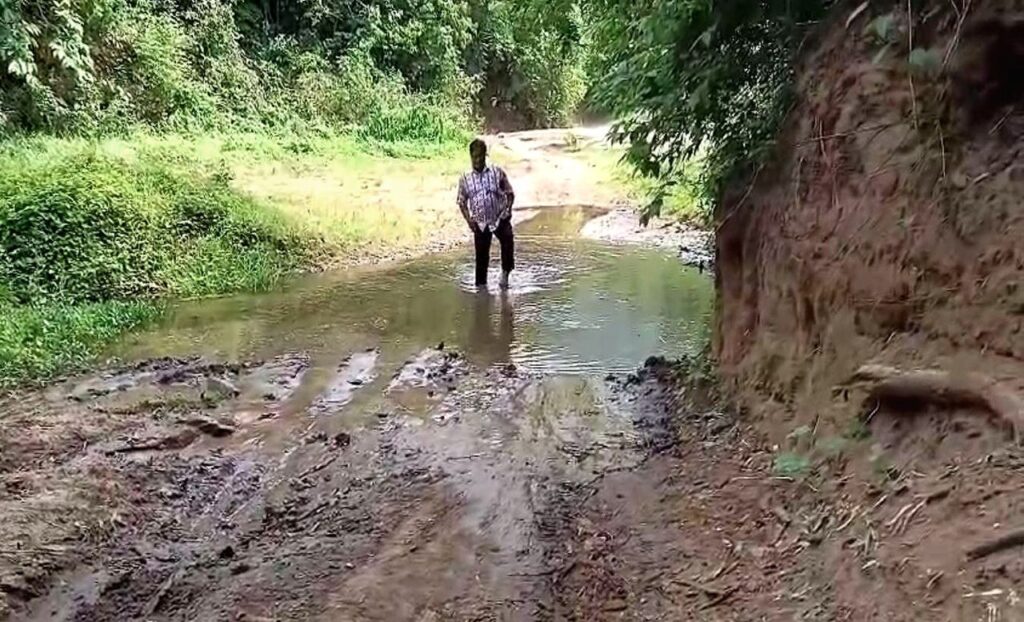
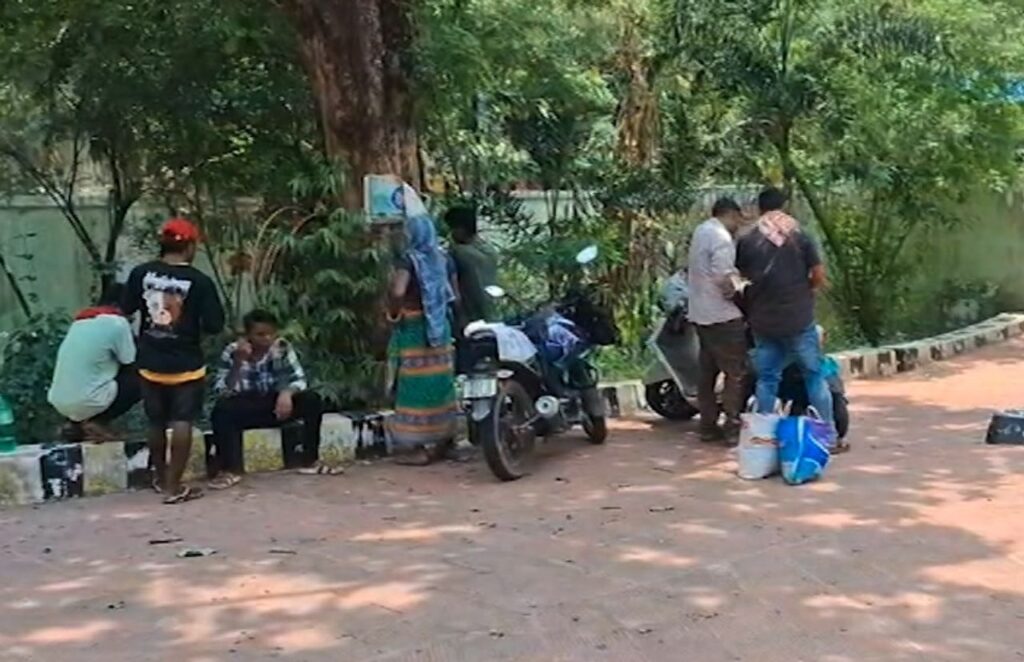
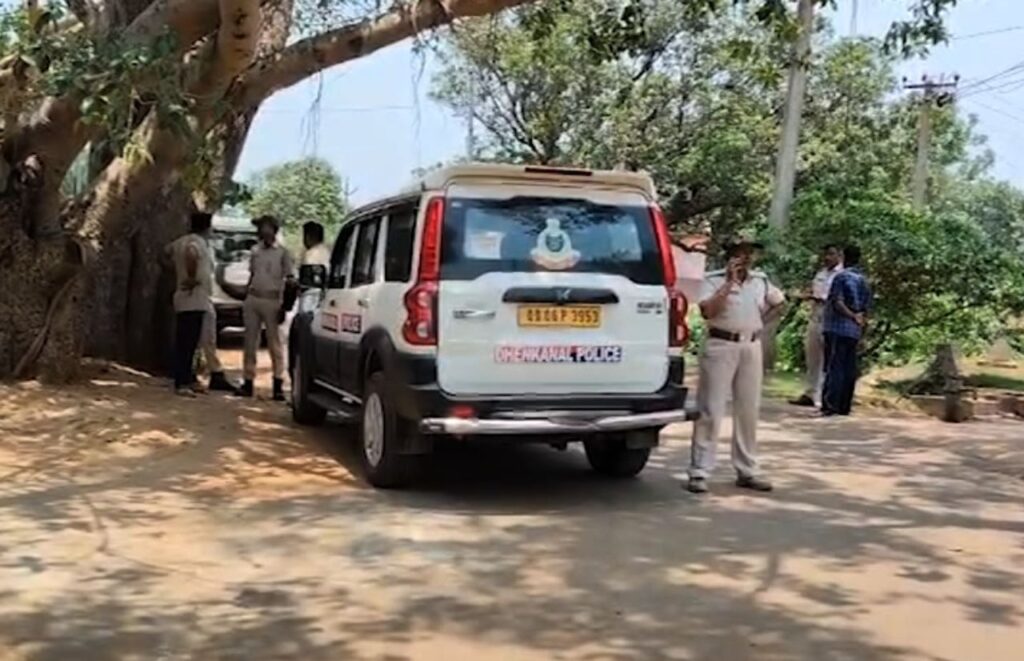
A rare species of python, identified by environmentalists as a Burmese python, was spotted on Sunday near Paradip town in Odisha’s Jagatsinghpur district, creating concern among local residents living close to the area. The massive snake was first noticed near the Mahanadi riverbank, close to the IFFCO boundary wall, by security guards stationed nearby.
Also Read: Giant python rescued in Odisha; video goes viral
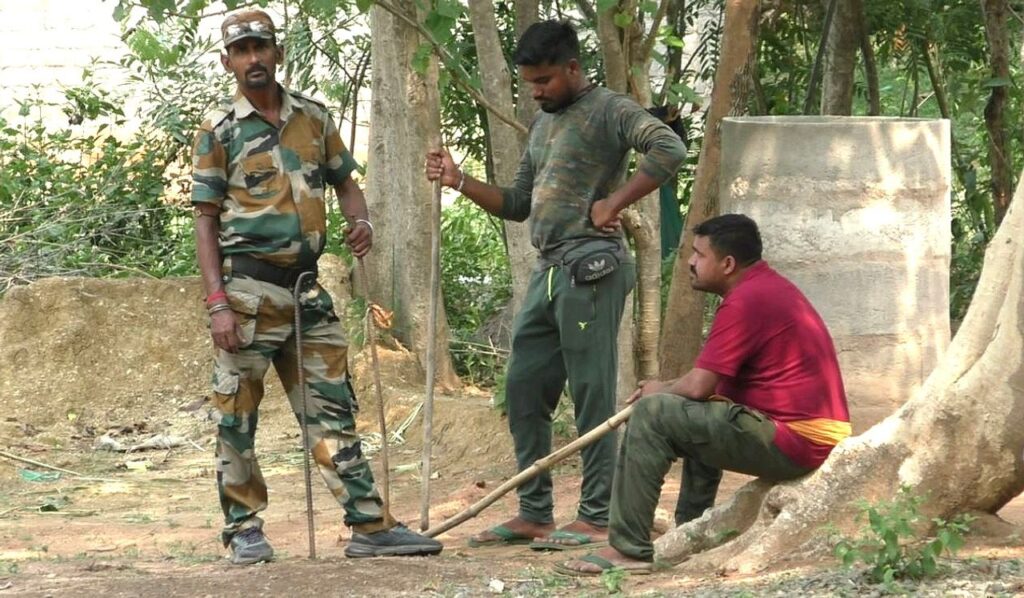
According to sources, the guards were shocked after seeing the unusually large python and immediately fled the spot out of fear. News of the sighting quickly spread across the locality, attracting attention from villagers and wildlife enthusiasts alike.
Wildlife experts said the snake is believed to be a Burmese python, a distinct species of large constrictor snake known for its enormous size and powerful hunting ability. Although the python is considered non-venomous, specialists warn that it can pose a danger to smaller animals such as goats, sheep, deer, and other livestock.
The experts explained that Burmese pythons kill their prey not by venom but by tightly coiling around the animal’s body, suffocating it before swallowing it whole. Due to their strength and size, these snakes are often considered one of the largest snake species found in Asia.
Sources also stated that the Burmese python has been included in the International Union for Conservation of Nature (IUCN) Red List, highlighting its conservation significance. The appearance of such a rare and large reptile in the Paradip region has triggered curiosity among environmentalists while also causing anxiety among villagers residing near the riverbank areas.
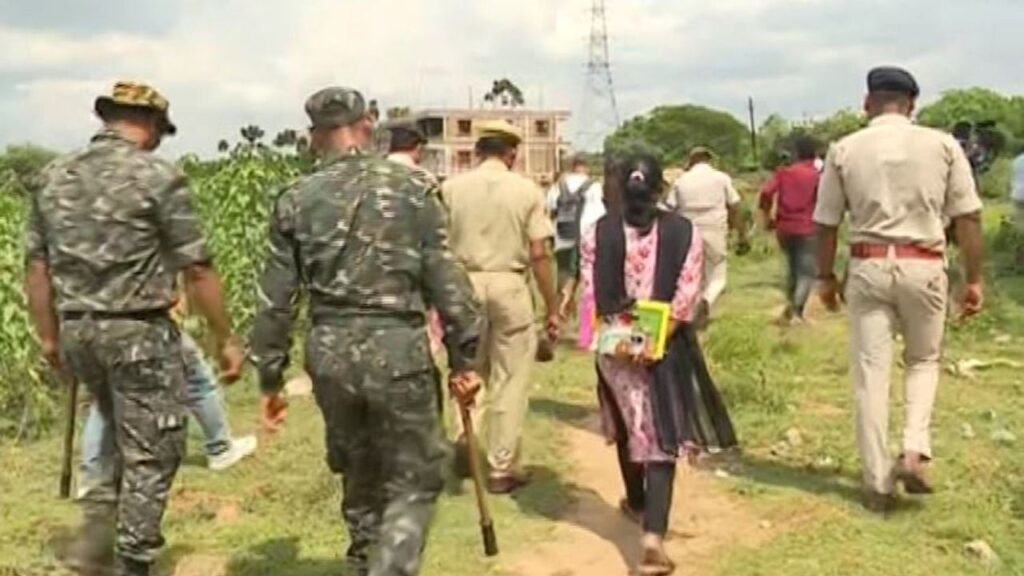
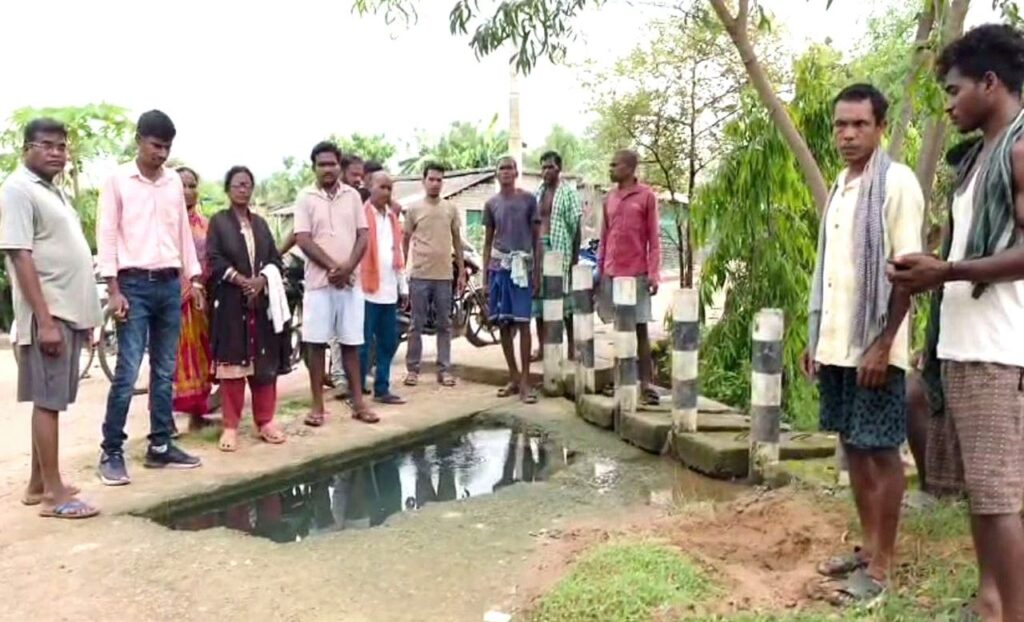
Residents of the Musadihi village and nearby localities have expressed concern about the safety of domestic animals and children following the sighting. Many villagers have urged the Forest Department and wildlife authorities to monitor the area and safely relocate the gigantic reptile.
The incident has once again highlighted the increasing interaction between wildlife and human settlements, especially in the Mahanadi riverbank and industrial regions, where habitat disturbances may be influencing animal movement.