
 English











































































































































































































































































































































































































































































































































































































































































































































































































































































































































































































































































































































































































































































































































































































































































































































































































































































































































































































































































































































































































































































































































































































































































































































































































































































































































































































































































































































































































































































Consumers brace for inflation shock as fuel prices rise again

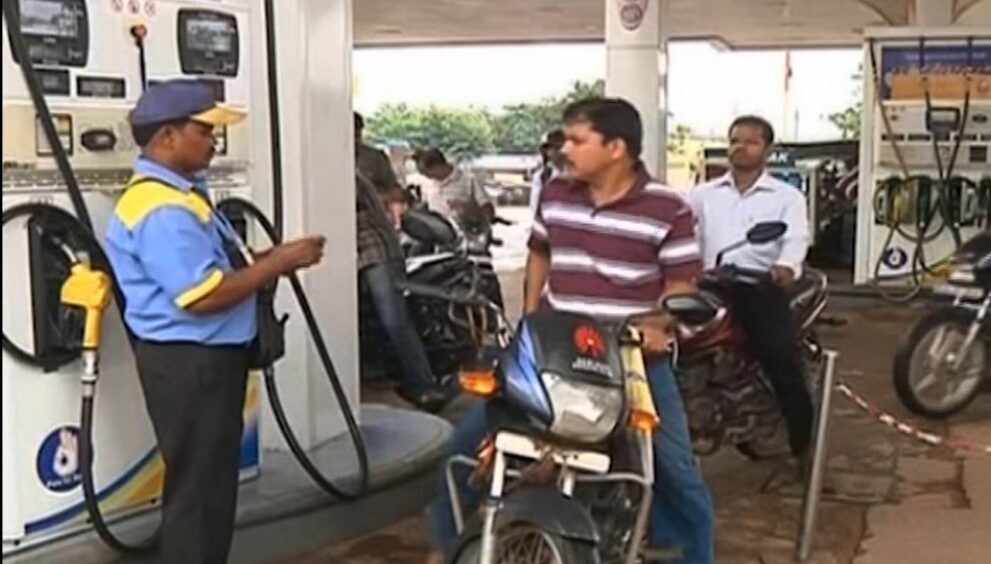

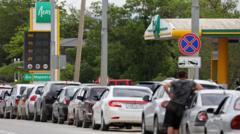
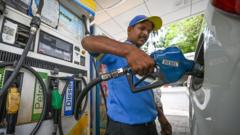
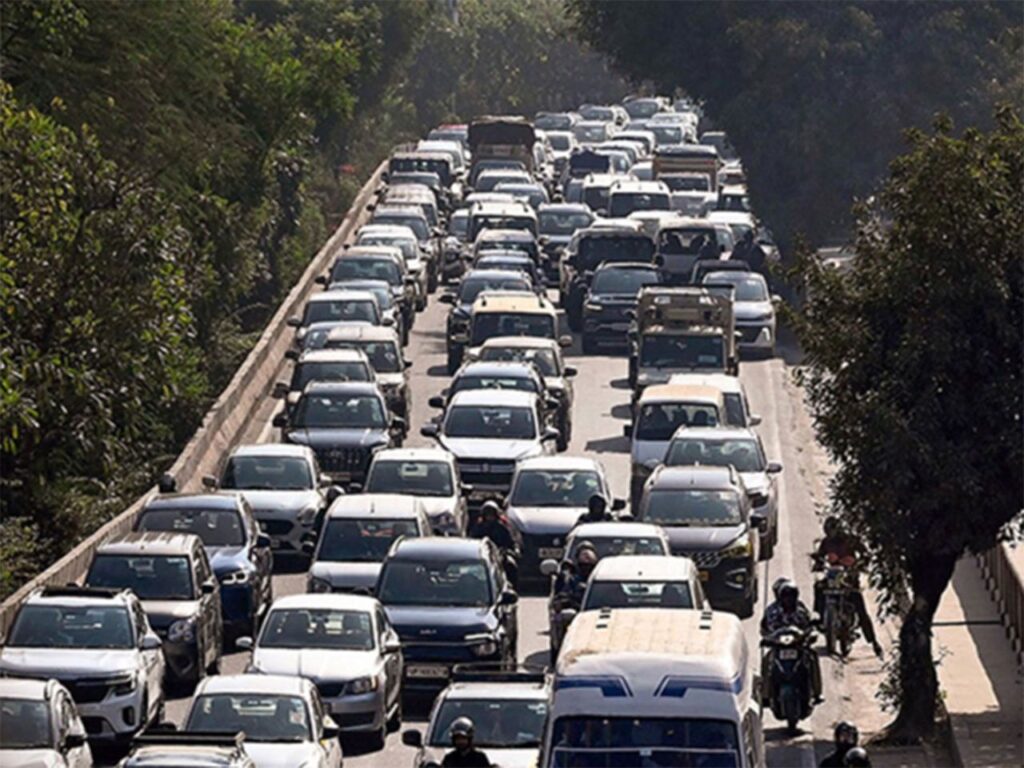
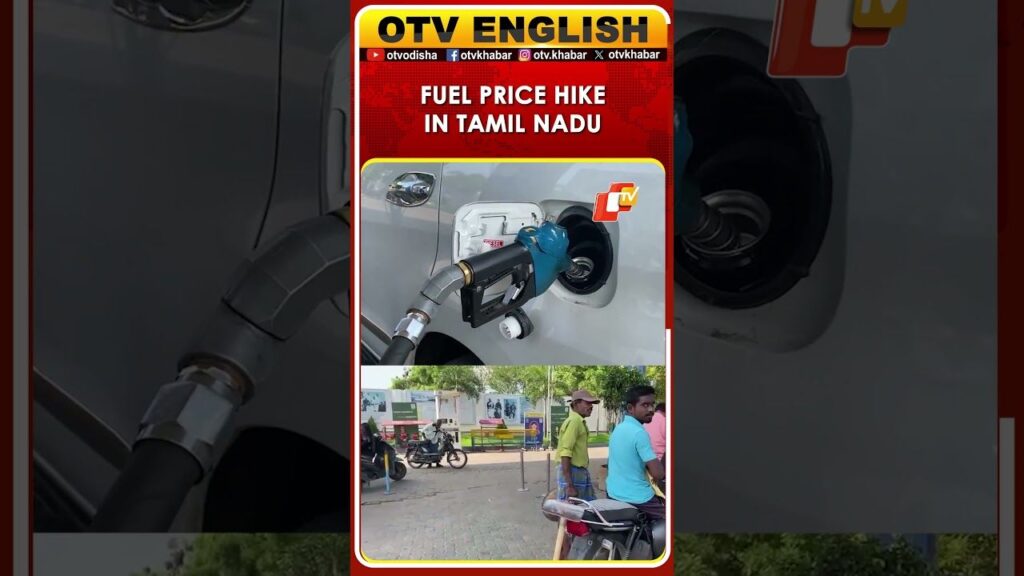
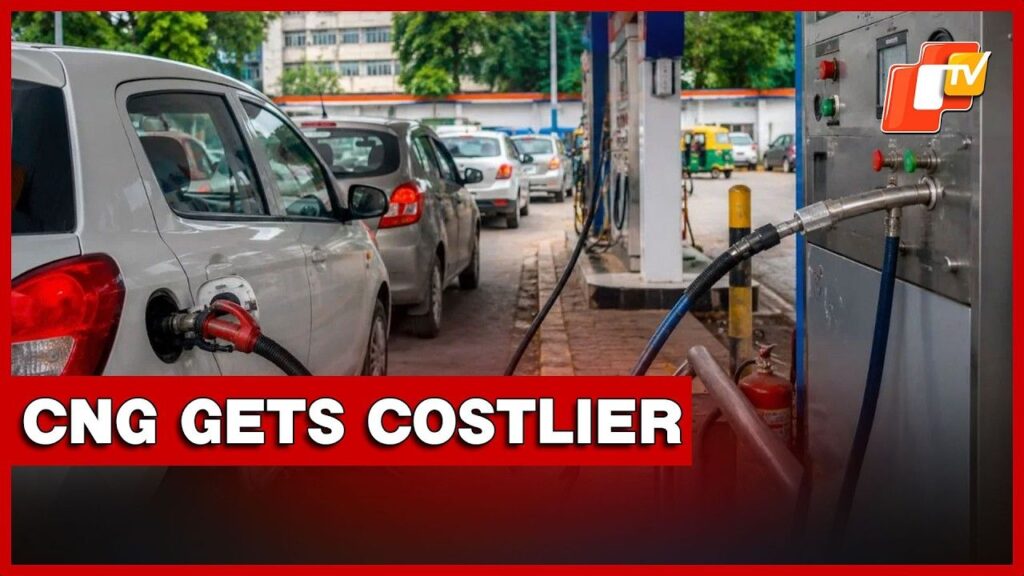
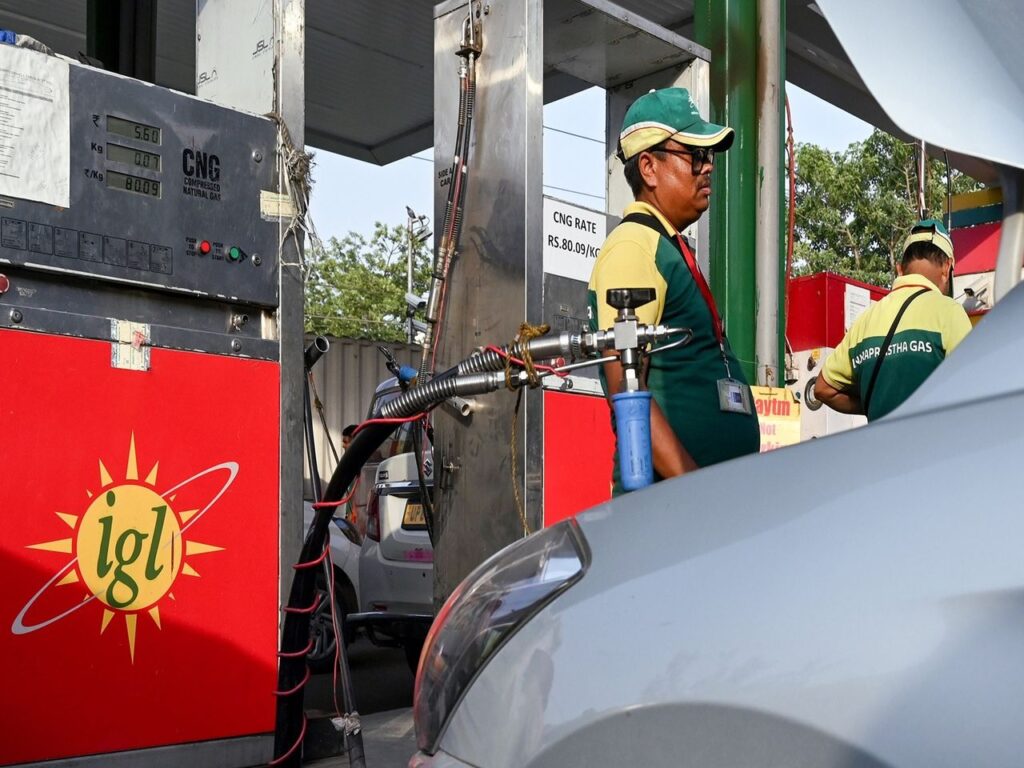
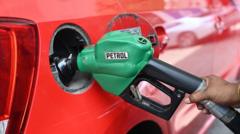
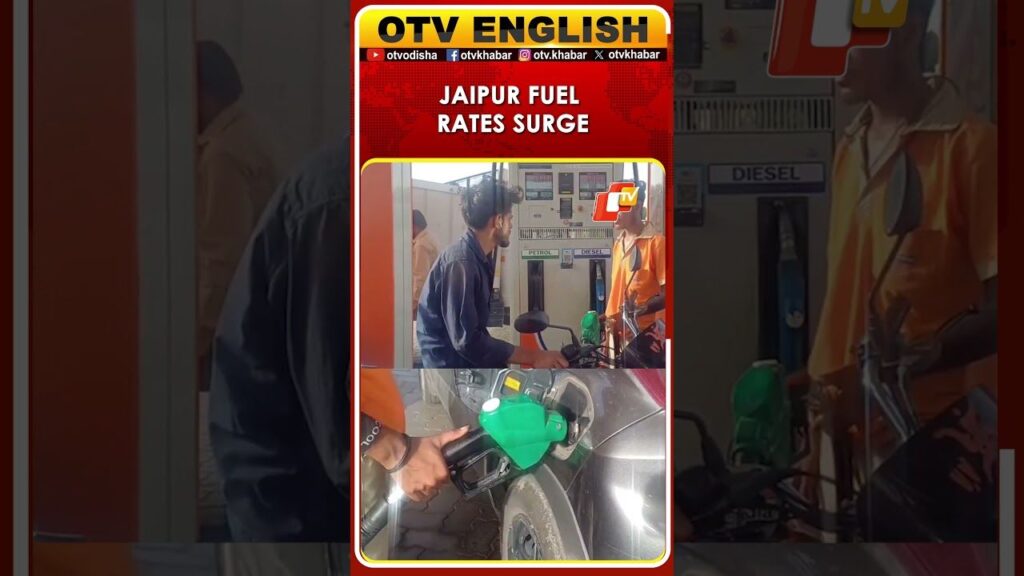
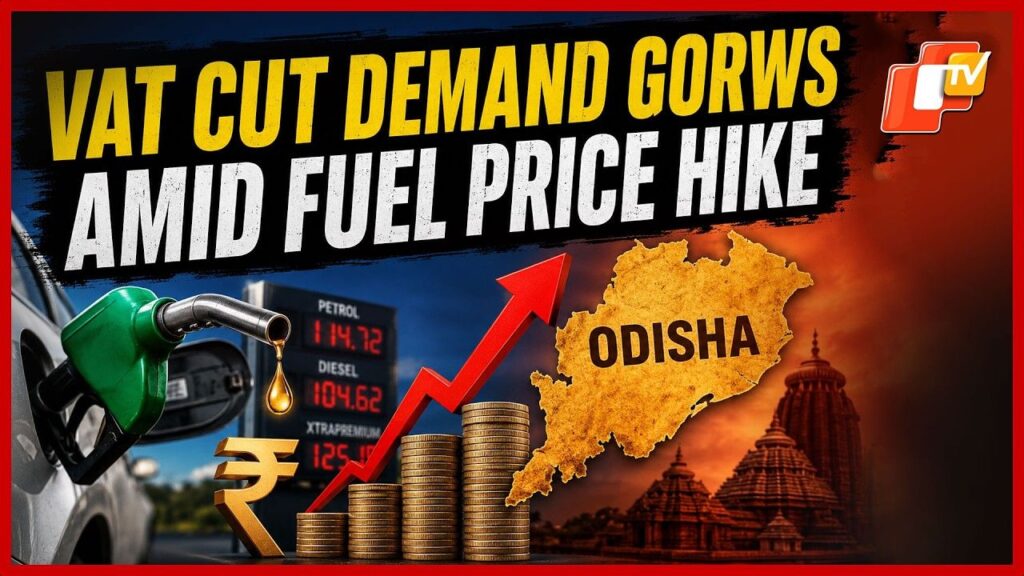
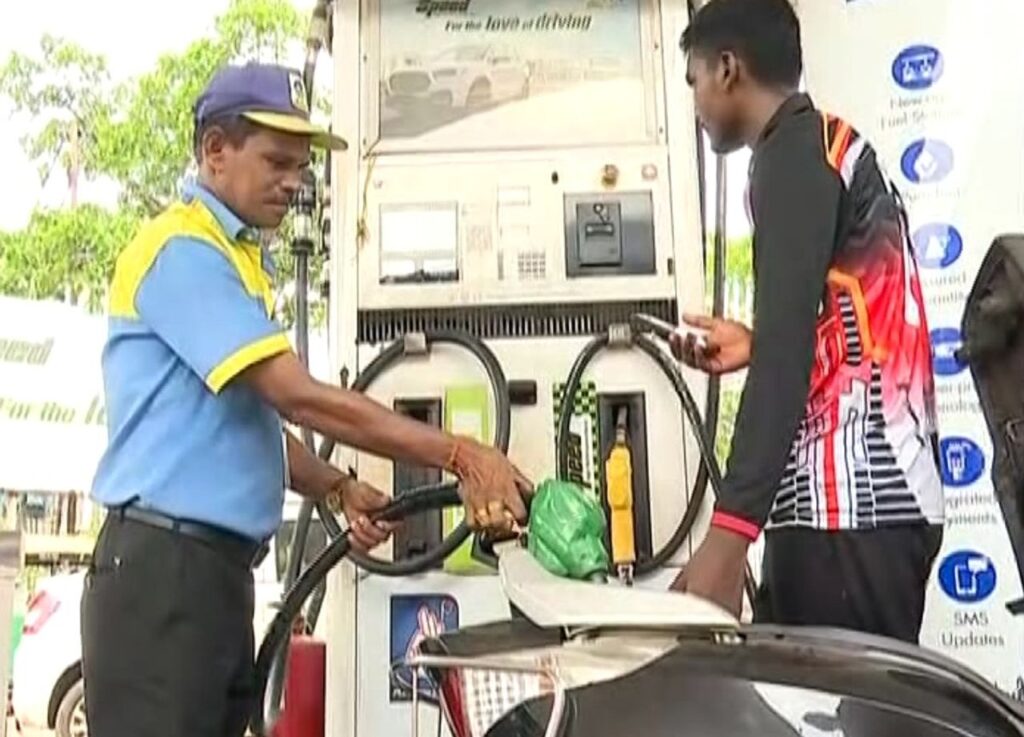
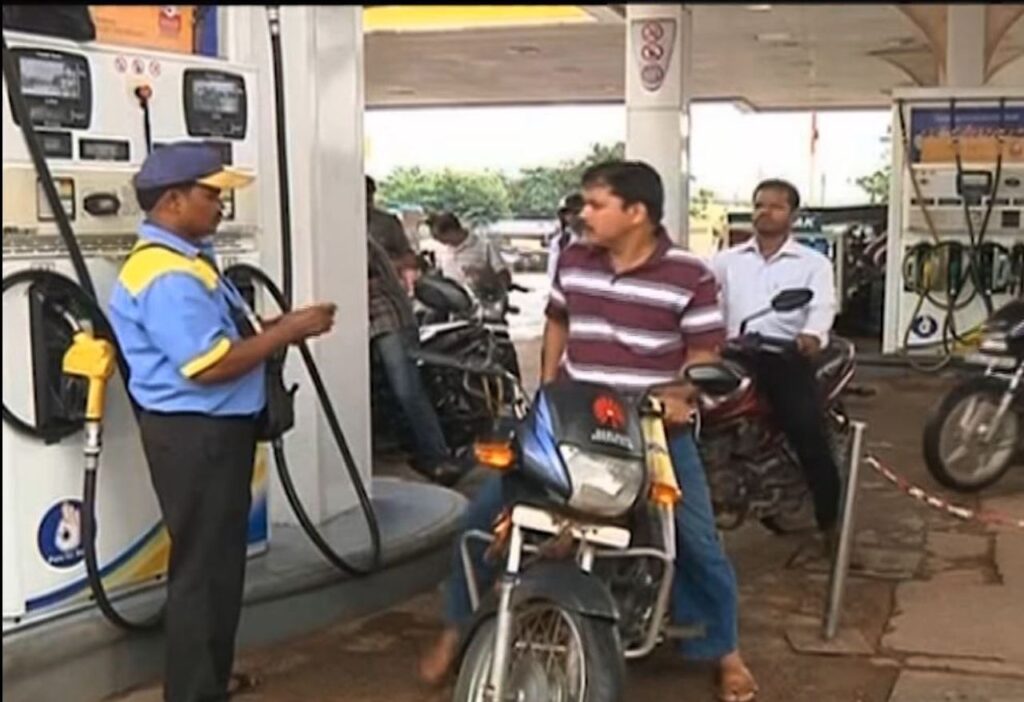
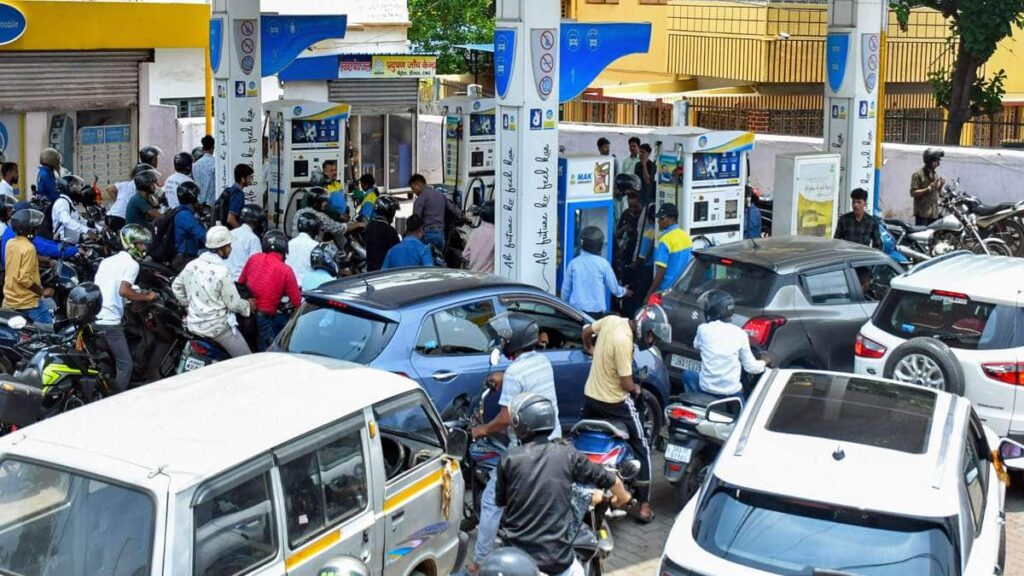
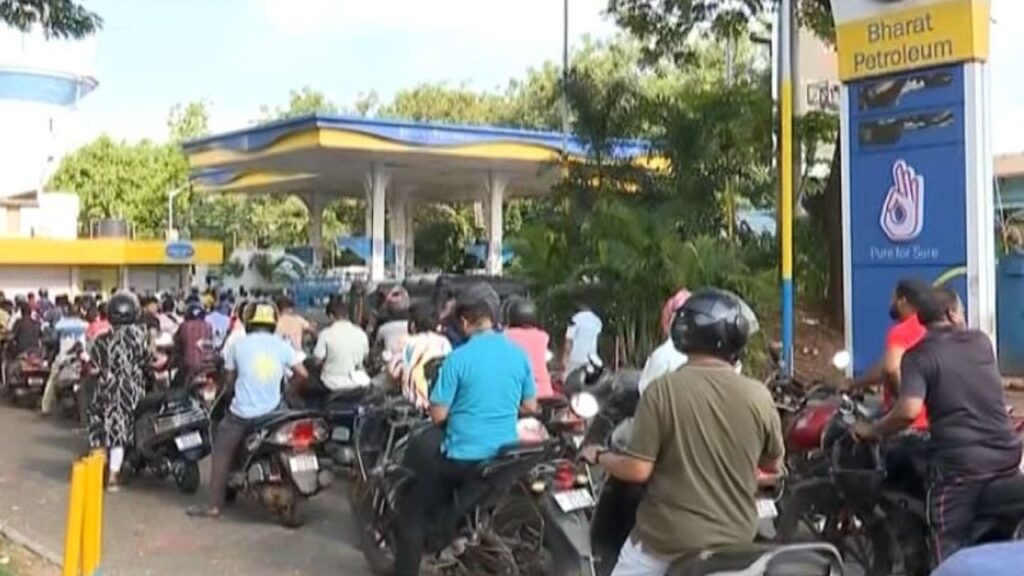
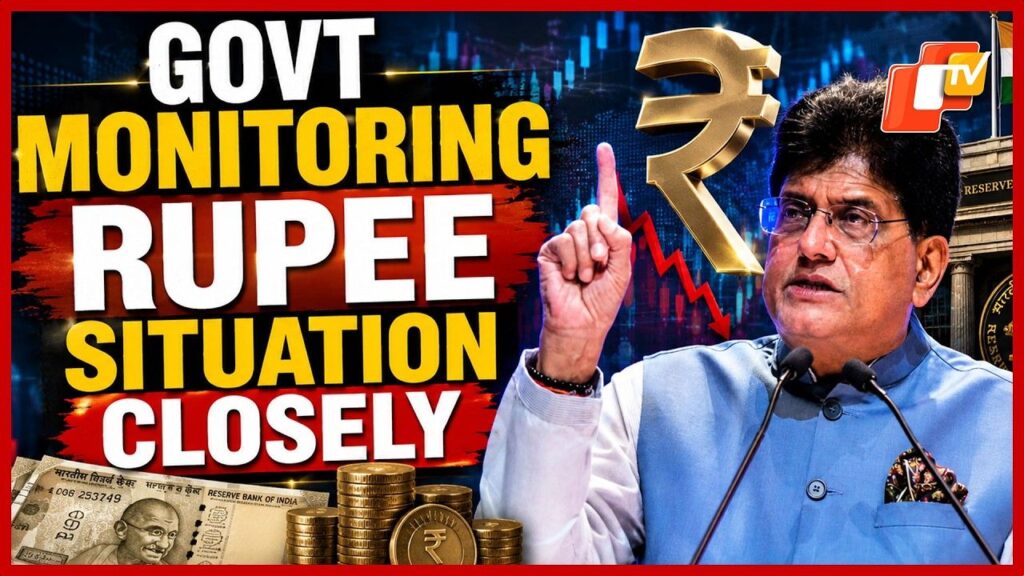
Petrol and diesel prices were increased again on Saturday, marking the third hike in fuel rates within the last 10 days. This resulted in raised concerns about a possible rise in transportation costs and consumer prices.
Under the latest revision, petrol became costlier by 87 paise per litre, while diesel prices increased by 91 paise per litre. Economists and consumers alike fear the hike could have a cascading effect on logistics, essential commodities and service sectors.
Costs Likely To Rise
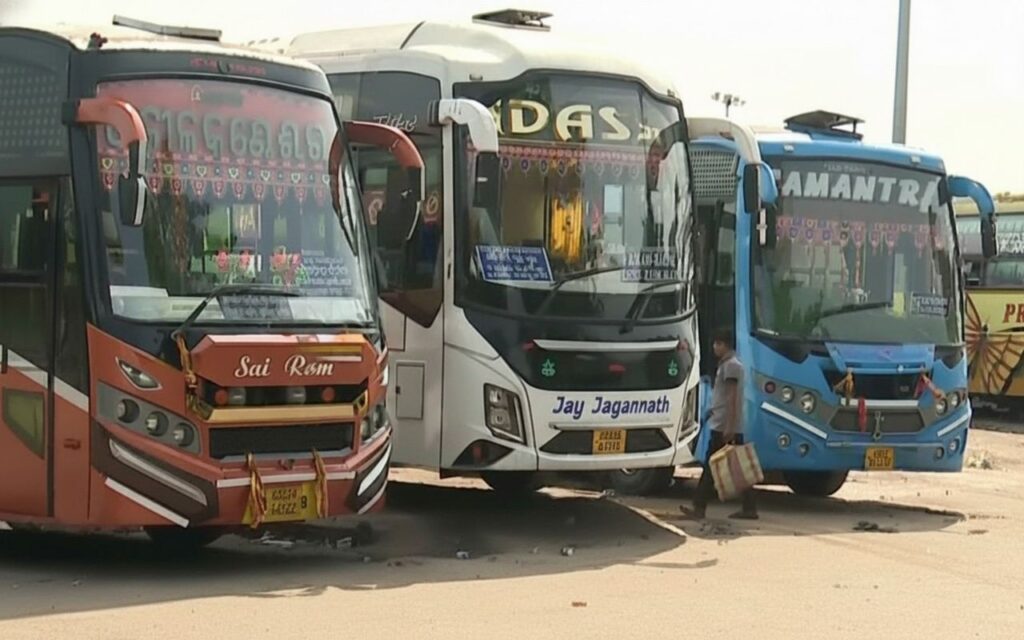
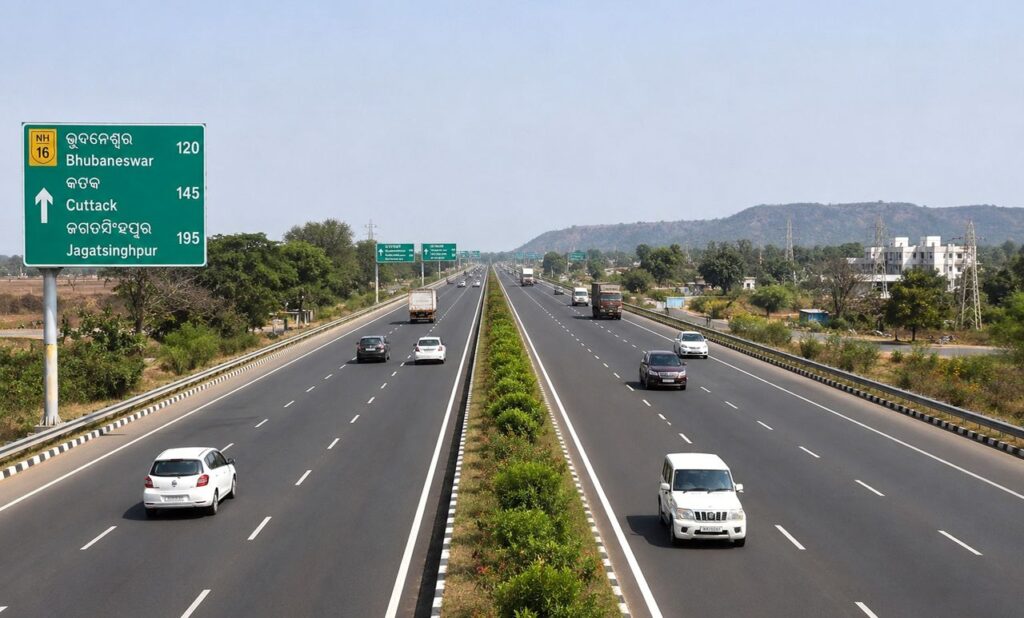
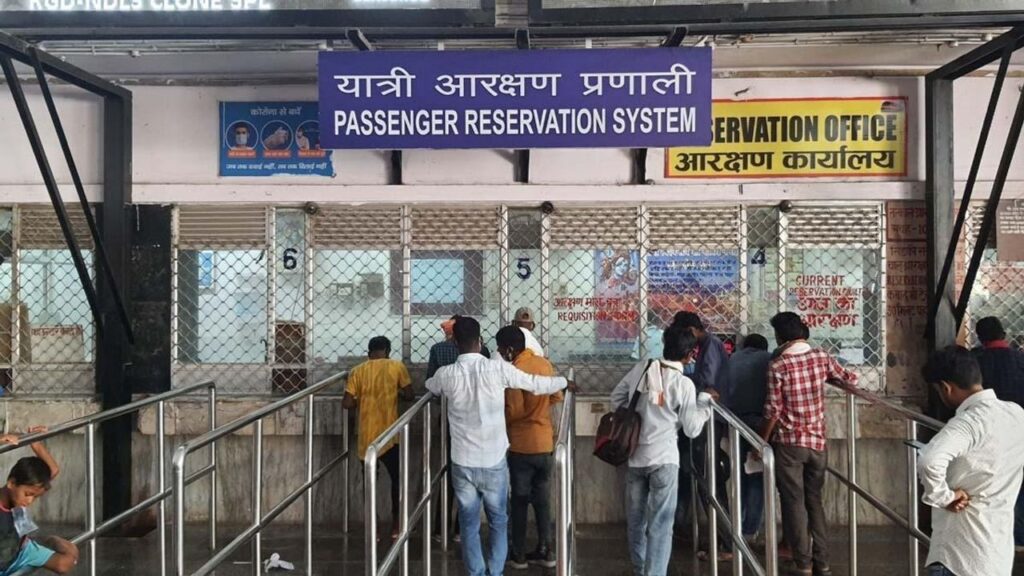
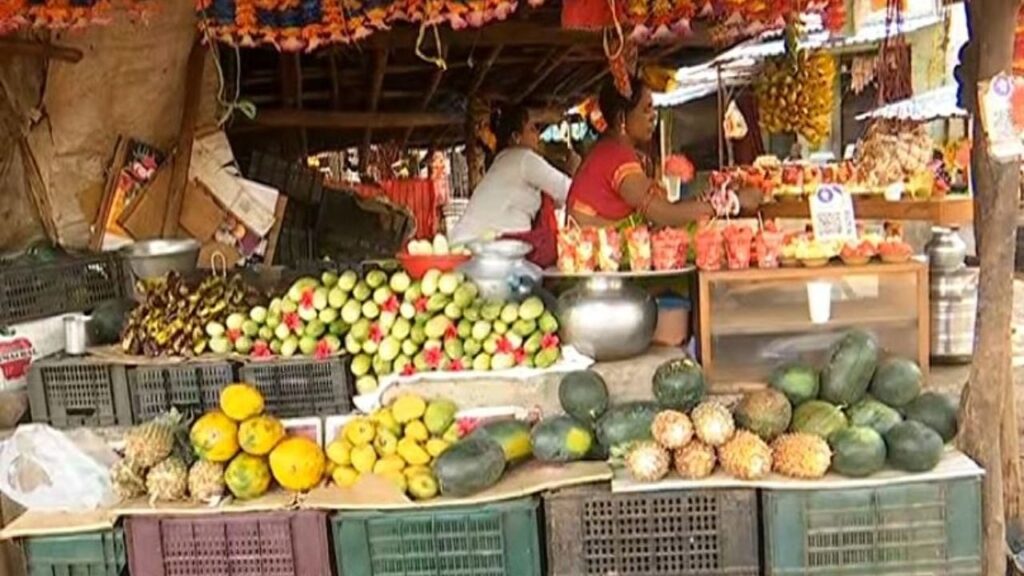
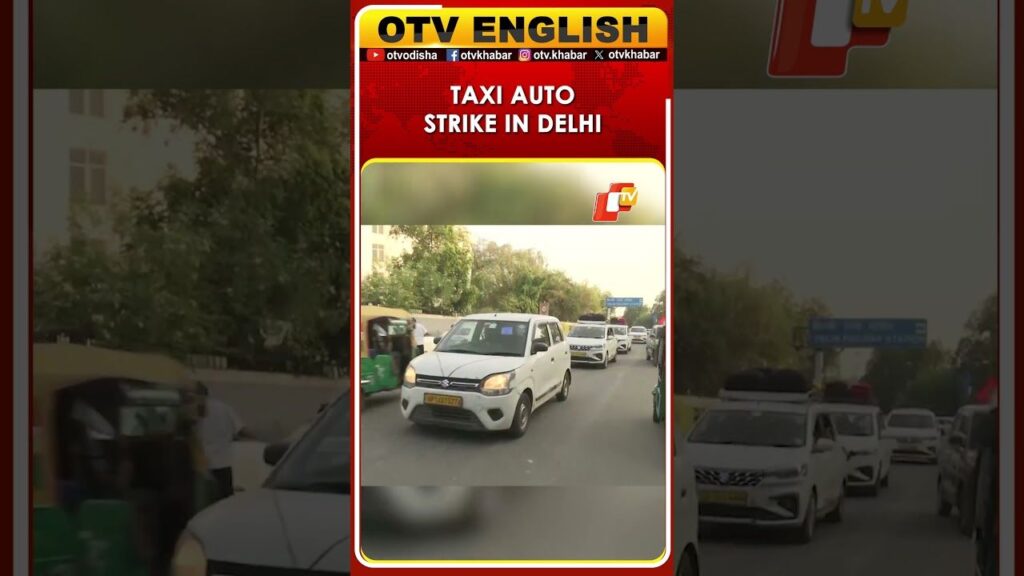
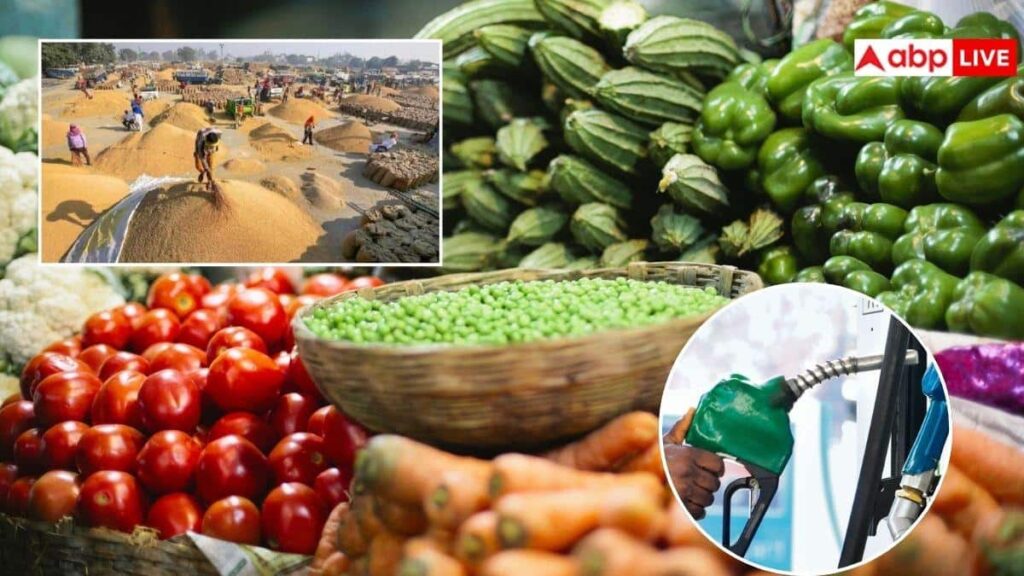
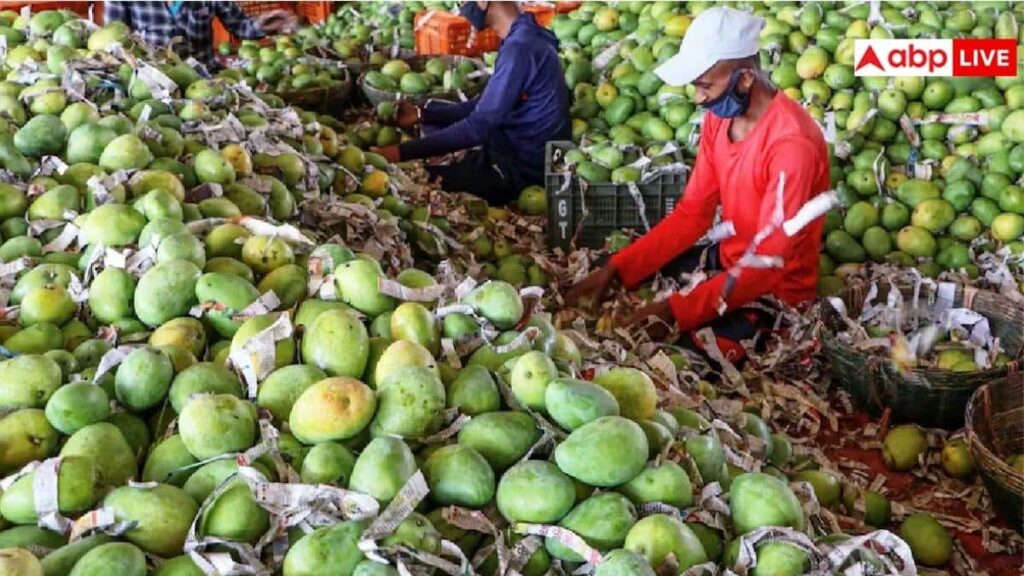
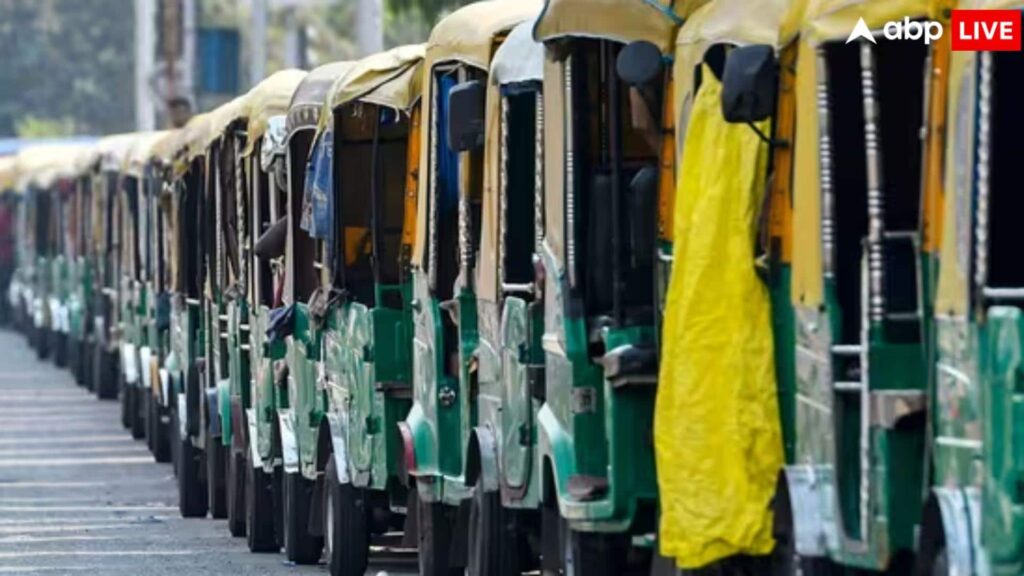
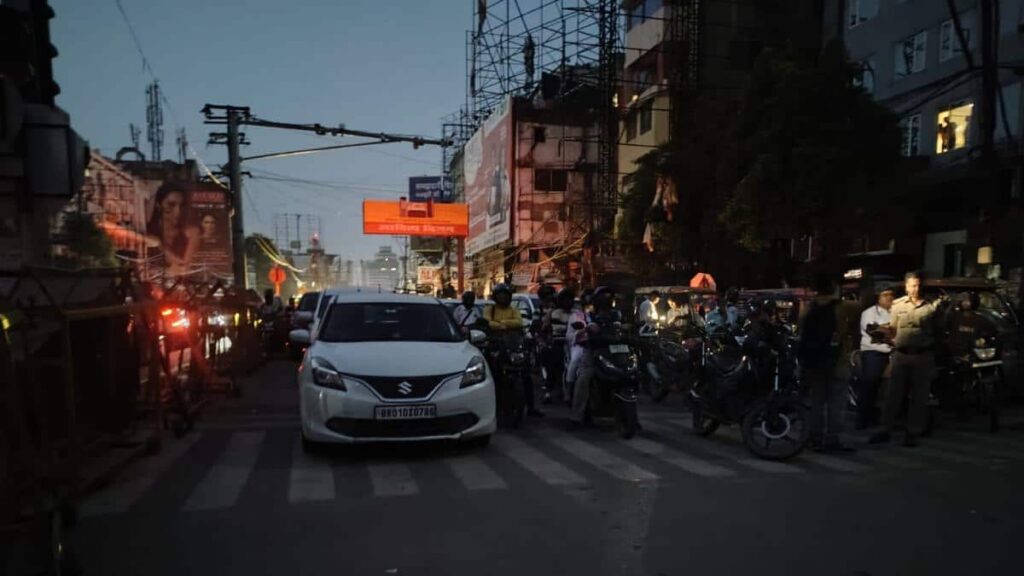
The increase in fuel prices is expected to impact the transport sector directly, with higher operating costs likely to be passed on to consumers. Industry observers believe prices of vegetables, daily-use commodities and other goods could increase as transportation expenses rise.
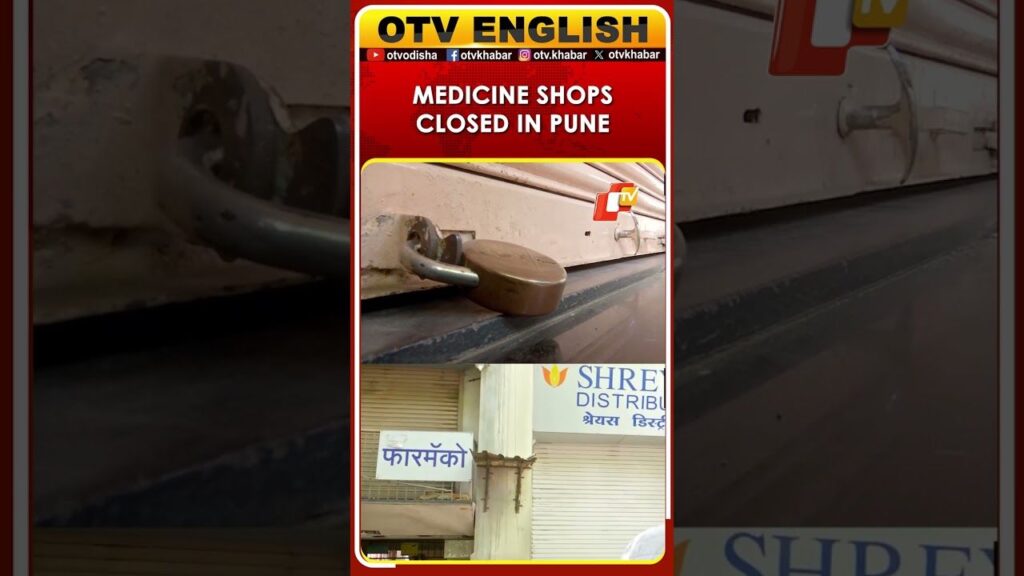
The cost of essential services such as milk distribution, medicine supply and home delivery operations may also witness an upward revision. Online cab services could become more expensive as operators adjust fares to offset rising fuel expenses.
Industries dependent on transportation of raw materials and finished products are also likely to face increased expenditure, potentially adding further pressure on retail prices.
Economist Flags Wider Impact
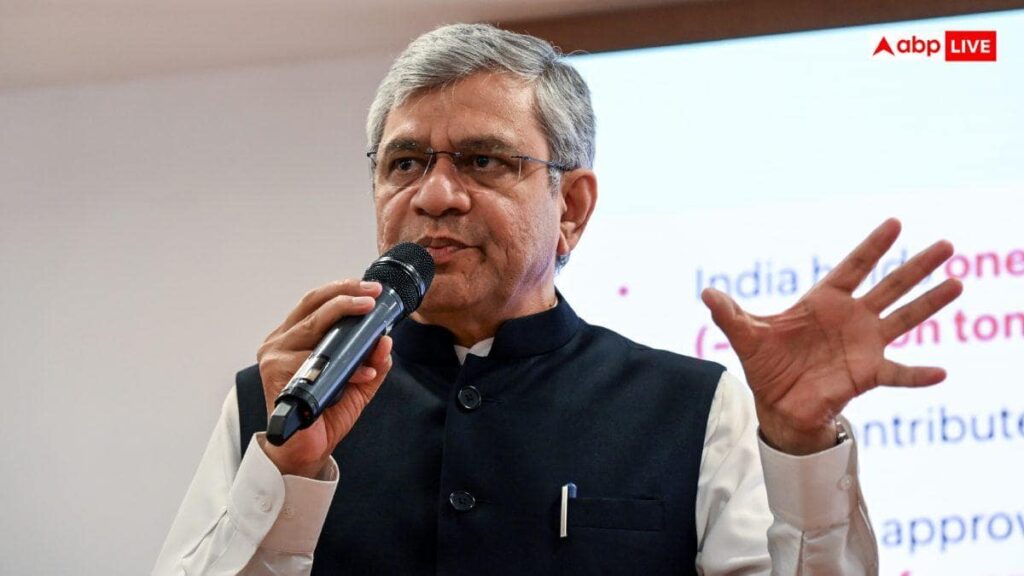
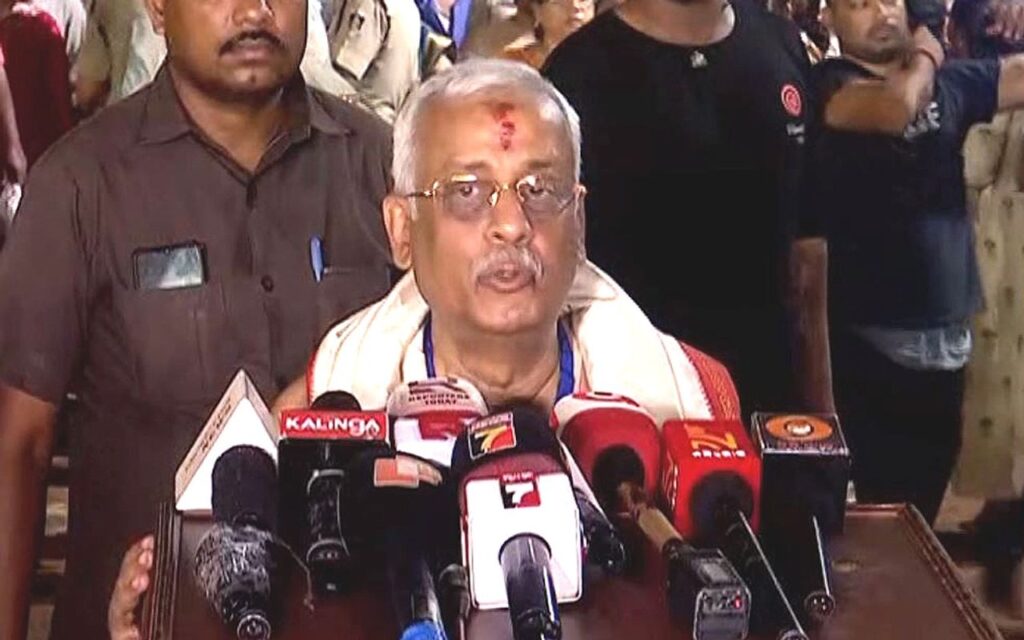
Economist Raj Narayan Tripathy said the fuel price increase could affect multiple sectors of the economy.
“With fuel prices rising, transportation and supply-chain costs are expected to increase significantly, particularly because a large share of logistics vehicles operate on diesel. As logistics expenses rise, product prices are also likely to increase,” he said.
Tripathy added that oil marketing companies are facing mounting losses due to fluctuations in international crude oil prices.
“Crude oil prices, which were previously around USD 59 per barrel, are now fluctuating between USD 102 and USD 110 per barrel. Higher fuel costs can contribute to inflationary pressures and may influence borrowing costs, resulting in increased EMIs for consumers,” he said.
He further noted that prolonged energy-related pressures could affect economic growth, employment and consumer spending. According to Tripathy, the ongoing conflict situation in the Middle East has contributed to volatility in global energy markets, underlining the need to explore alternatives to petroleum as import costs continue to rise.
Also Read: Petrol, diesel hiked third time in India; Iran-US war pushes fuel prices up again
EV Demand May Benefit
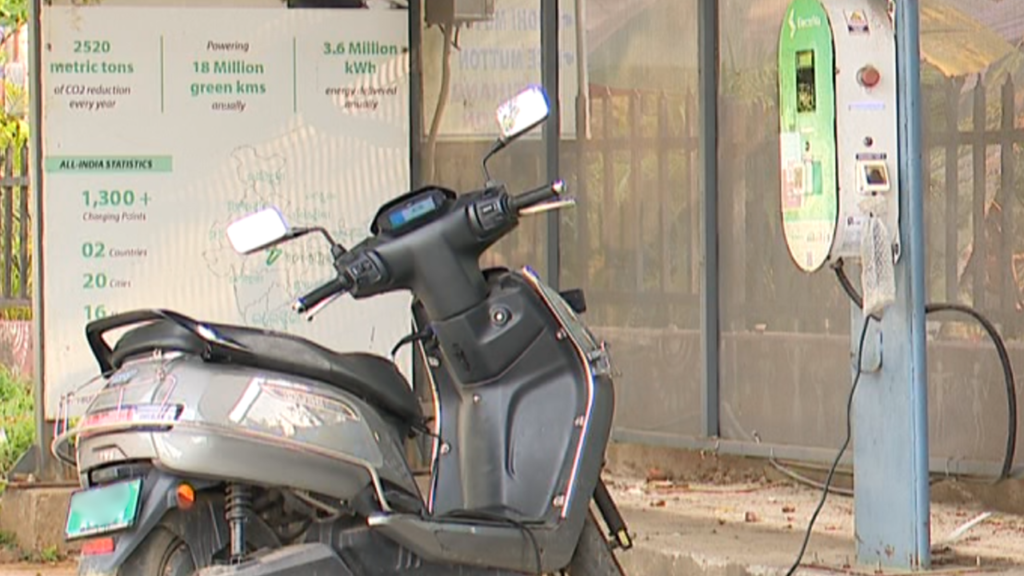
Market observers also believe the latest fuel price increase could encourage greater adoption of electric vehicles (EVs) as consumers look for alternatives to conventional fuel-powered transportation.