
 English










































































































































































































































































































































































































































































































































































































































































































































































































































































































































































































































































































































































































































































































































































































































































































































































































































































































































































































































































































































































































































































































































































































































































































































































































































































































































































































































































































































































































































































































































































1 lakh engineering jobs likely as India’s data centre sector booms



India’s rapidly expanding data centre ecosystem is set to generate nearly one lakh engineering jobs over the next few years, as the country positions itself as a global hub for digital infrastructure, Artificial Intelligence (AI), quantum technologies and clean energy-powered computing systems.
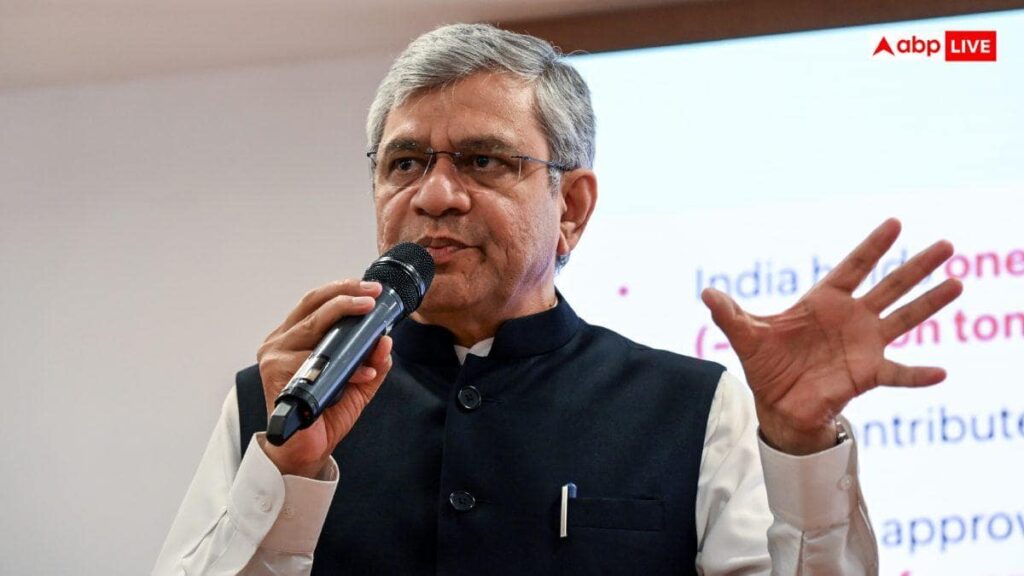
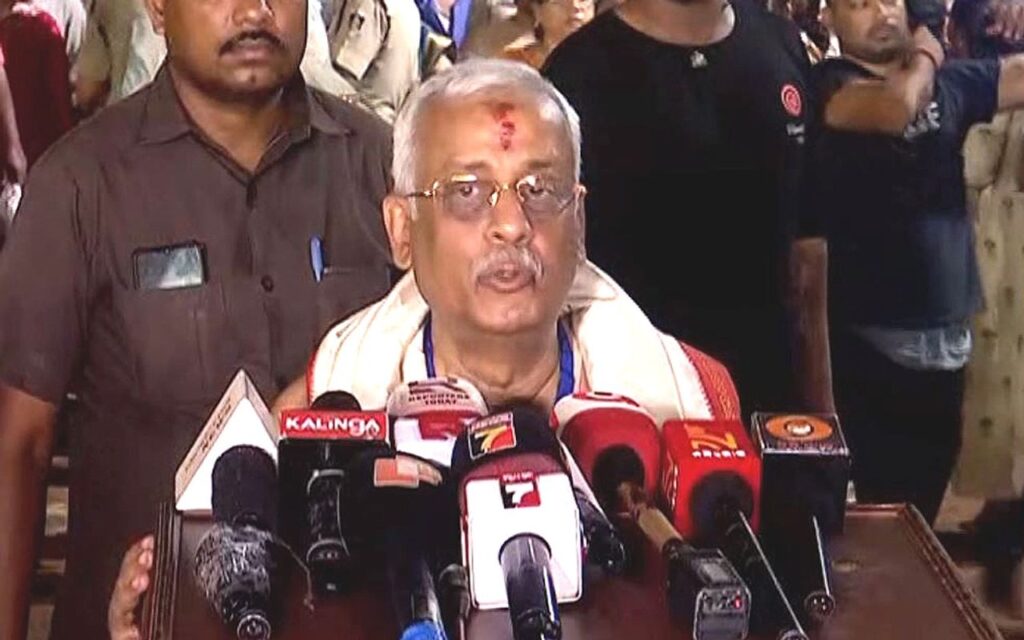
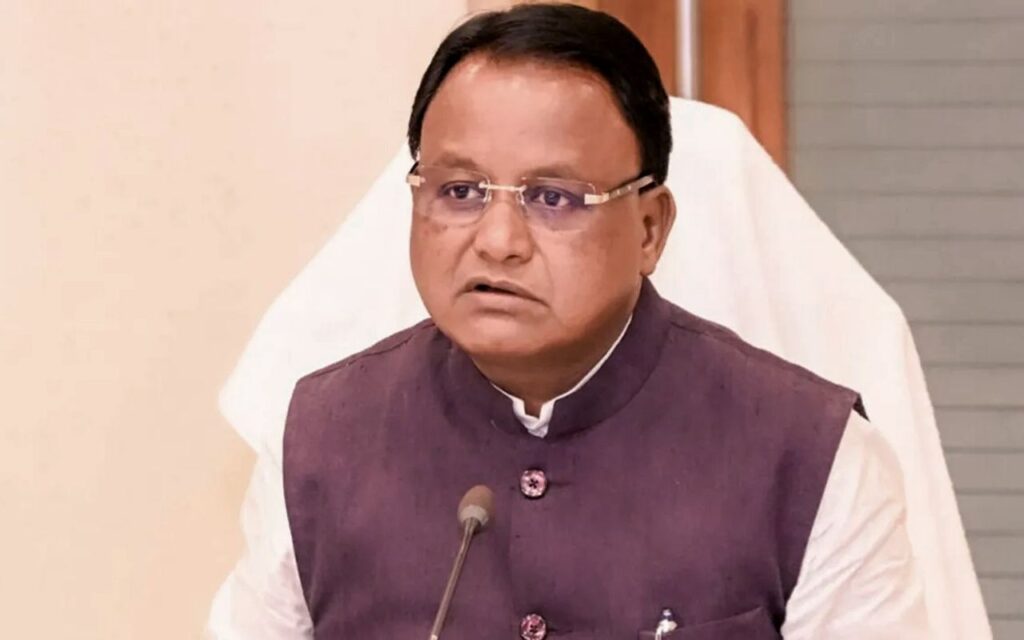
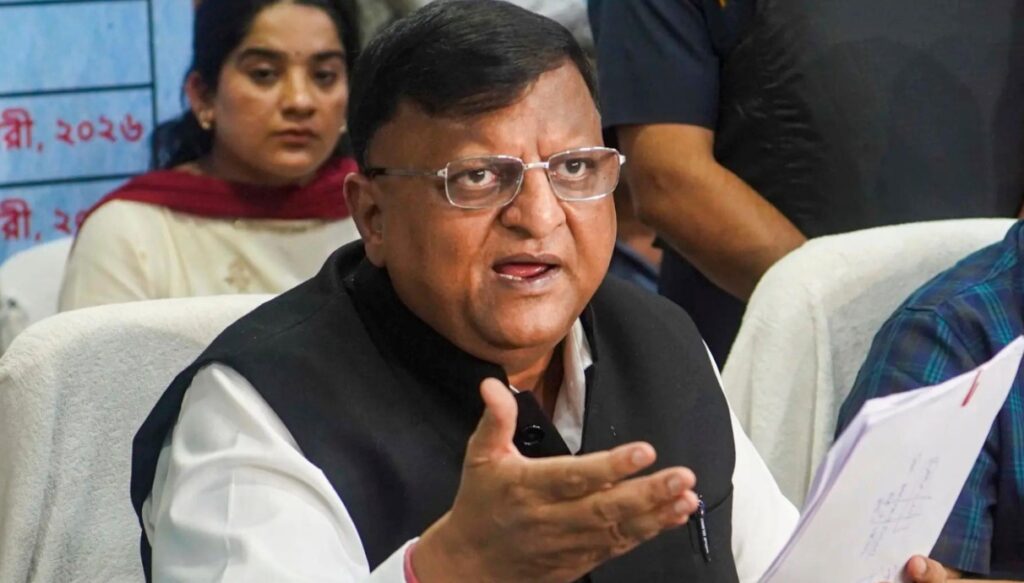
The announcement was made by Union Minister Jitendra Singh during a special session on “Future-Proofing India’s Data Centres: Resilient Supply Chains and Opportunities” at the Annual Leadership Summit organised by AMCHAM India.
The Minister said India is entering a decisive technological phase where data centres will become central to economic growth, strategic influence and employment generation. According to him, India’s data centre capacity is projected to grow from the current 1.5 gigawatts (GW) to nearly 6.5 GW by 2030, creating large-scale opportunities in engineering, AI systems, renewable energy integration, smart grids, cooling technologies and advanced digital infrastructure management.
Data Centres Becoming the “Next Oil Economy”
Describing data centres as the “next oil economy”, Dr. Jitendra Singh said the future global order will increasingly revolve around control over data, digital infrastructure and secure technology ecosystems. He stressed that the data economy should not be viewed merely as a technological shift, but as a strategic national opportunity that will influence investments, jobs, energy systems and geopolitical competitiveness for decades.
He said India now stands at a stage where it no longer waits for success stories or technological breakthroughs from abroad. Instead, global companies and governments are increasingly seeking partnerships with India in frontier technologies including AI, semiconductors, quantum computing and digital public infrastructure.
The Minister highlighted that India’s expanding ecosystem of AI, 6G communication technologies, semiconductor manufacturing and digital governance platforms is creating unprecedented opportunities for foreign investment and global technology collaboration.
One Lakh Engineering Jobs: Where Opportunities Will Come From
The projected one lakh engineering jobs are expected to emerge across multiple high-value sectors connected to the data centre economy. These include:
AI infrastructure and machine learning systems
Advanced cooling technologies for hyperscale facilities
Renewable energy integration and smart power systems
Cybersecurity and secure data architecture
Telecom and fibre connectivity
Cloud computing and colocation services
Semiconductor-linked digital infrastructure
Automation and smart grid management
Industry experts believe that as global cloud service providers expand their presence in India, demand for skilled engineers, data scientists, energy specialists and infrastructure professionals will rise sharply.
The data centre boom is also expected to create indirect employment in construction, logistics, equipment manufacturing, green energy deployment and maintenance services.
India Targeting Global Leadership in Data Infrastructure
Dr. Jitendra Singh said India has the potential to become one of the world’s most trusted and dependable data centre destinations. He credited policy reforms, clean energy adoption, private sector participation and research-driven innovation for accelerating India’s progress in the sector.
According to the Minister, future growth in the industry will depend on several key pillars:
Resilient global and domestic supply chains
Sustainable and renewable energy systems
Advanced telecom connectivity
Expansion of subsea cable infrastructure
Smart cooling and energy-efficient technologies
Coordinated policy support across sectors
He emphasised that the Government wants to build an integrated national ecosystem involving industry players, telecom operators, infrastructure companies, renewable energy providers and research institutions.
AI, Quantum and Semiconductors at the Core of India’s Tech Push
The Minister also highlighted India’s rapid progress in frontier technologies, particularly under the National Quantum Mission. He revealed that India has already crossed 1,000 kilometres of secure quantum communication infrastructure within just three years, achieving more than half the target set for eight years.
India’s National Quantum Mission aims to establish 2,000 kilometres of secure quantum communication networks, which are considered critical for future cybersecurity and defence applications.
Dr. Jitendra Singh said India today stands on par with several advanced nations in emerging technology sectors. He pointed to the Government’s Semiconductor Mission, AI-driven innovation ecosystem and digital public infrastructure as major drivers of future economic growth.
Government Betting Big on Deep-Tech and Private Participation
The Minister underlined that the Narendra Modi-led Government has introduced several transformative reforms to prepare India for future industries. These include:
Long-term tax incentives for foreign cloud service providers
Launch of the National Research Foundation
The Semiconductor Mission
Opening up of sectors like space and nuclear energy for private participation
Support for deep-tech startups and innovation-led industries
He said many of these reforms would have seemed unimaginable a few years ago, but India has demonstrated strong political will in sectors considered crucial for future economic leadership.
According to him, the Government is no longer acting merely as a regulator but as an active enabler of technology development and industry participation.
Why India’s Data Centre Boom Matters Globally
India’s growing digital economy, rising internet penetration, AI adoption and increasing demand for cloud services are making the country one of the fastest-growing data centre markets in the world.
Several factors are contributing to this rise:
Massive digital consumption from over a billion internet users
Rapid adoption of AI-powered services
Growth of fintech, e-commerce and digital governance
Data localisation requirements
Rising demand for secure cloud infrastructure
Expansion of 5G and future 6G technologies
At the same time, the shift towards renewable-powered data centres is expected to make India attractive for global technology companies looking to meet sustainability goals.
Analysts believe India’s ability to combine digital scale, engineering talent and policy support could make it a central player in the global “data centre economy” over the next decade.
As AI, quantum computing and cloud infrastructure increasingly shape global competitiveness, India appears determined to ensure that the next wave of technological transformation is powered not only by innovation, but also by large-scale job creation and strategic digital leadership.