
 English

























































































































































































































































































































































































































































































































































































































































































































































































































































































































































































































































































































































































































































































































































































































































































































































































































































































































































































































































































































































































































































































































































































































































































































































































































































NIT Rourkela develops eco-friendly system to treat dairy wastewater

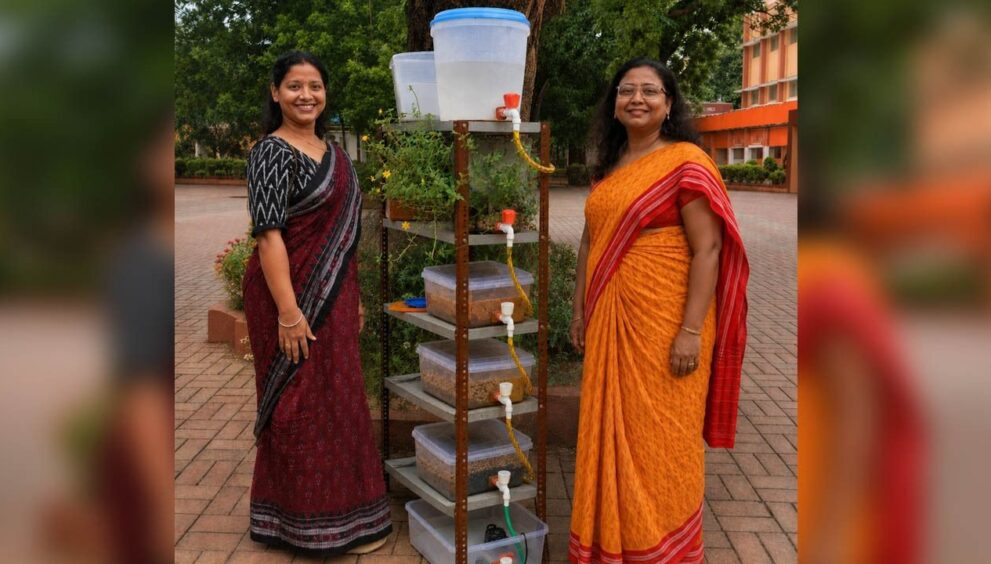

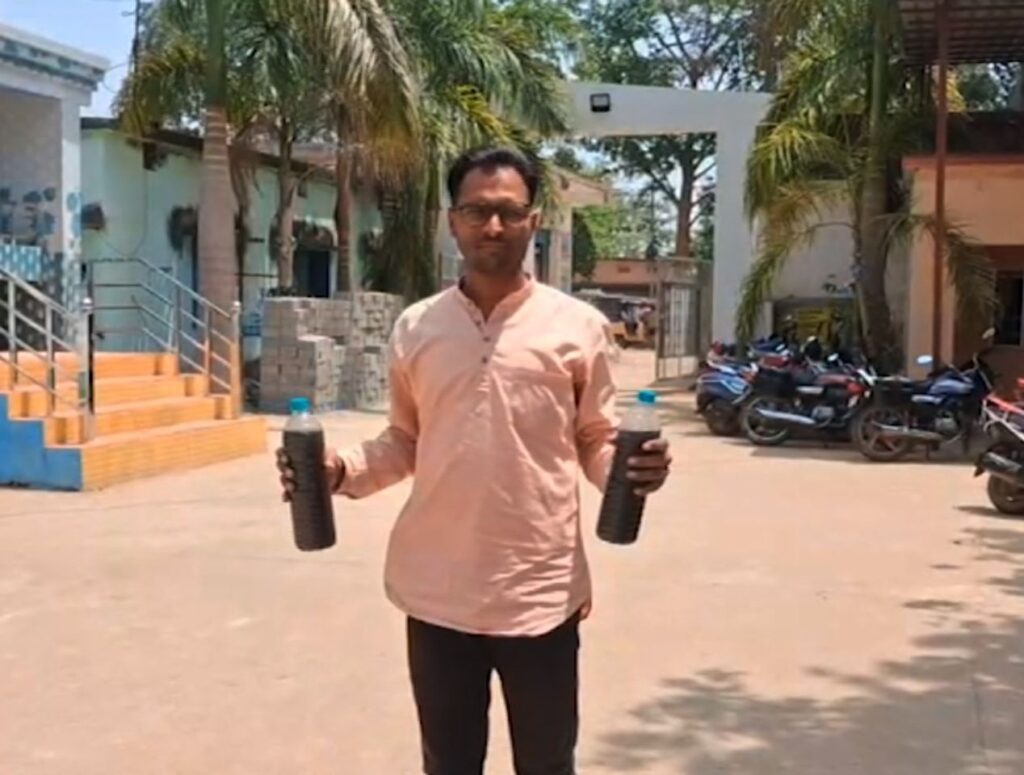
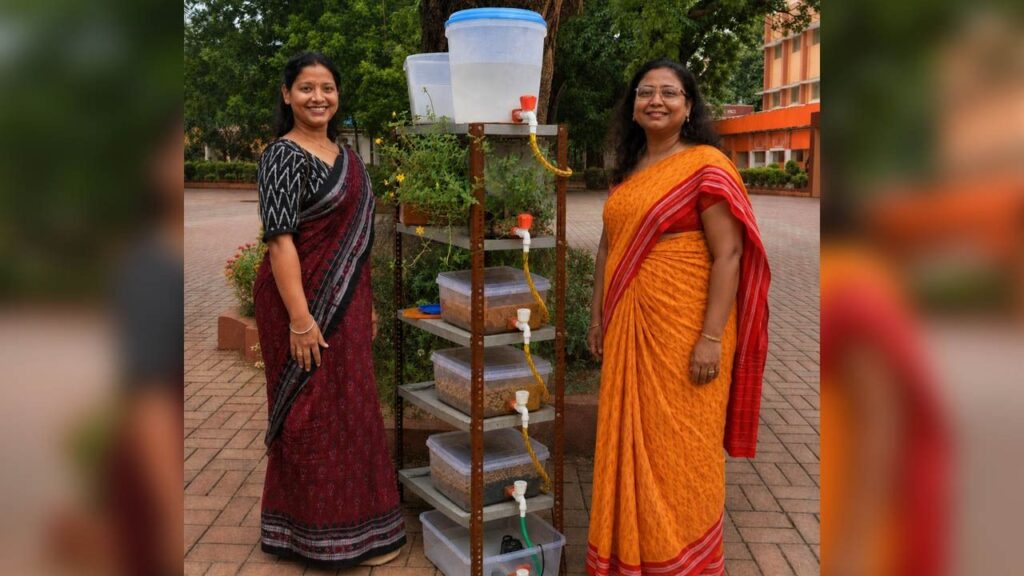
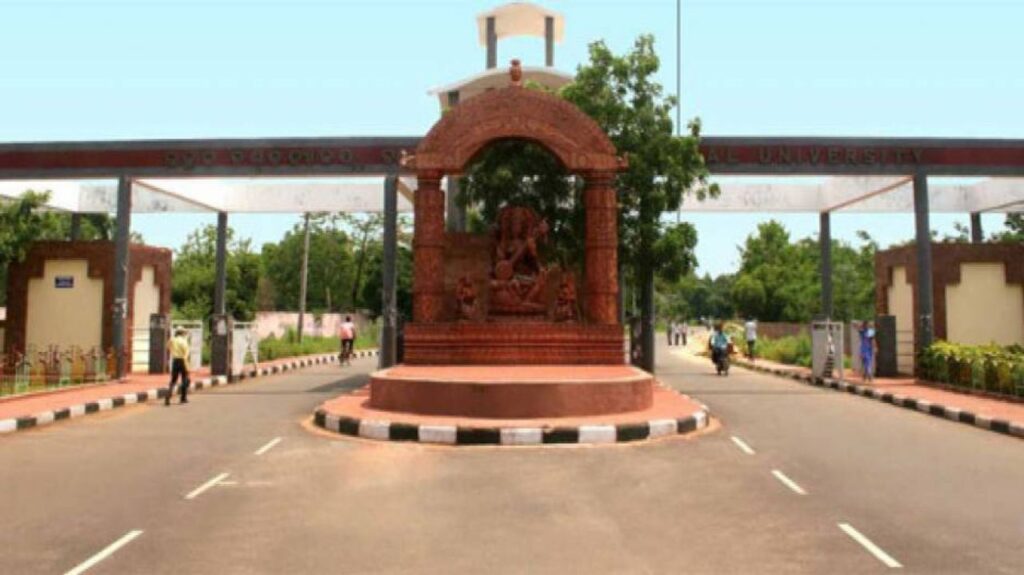
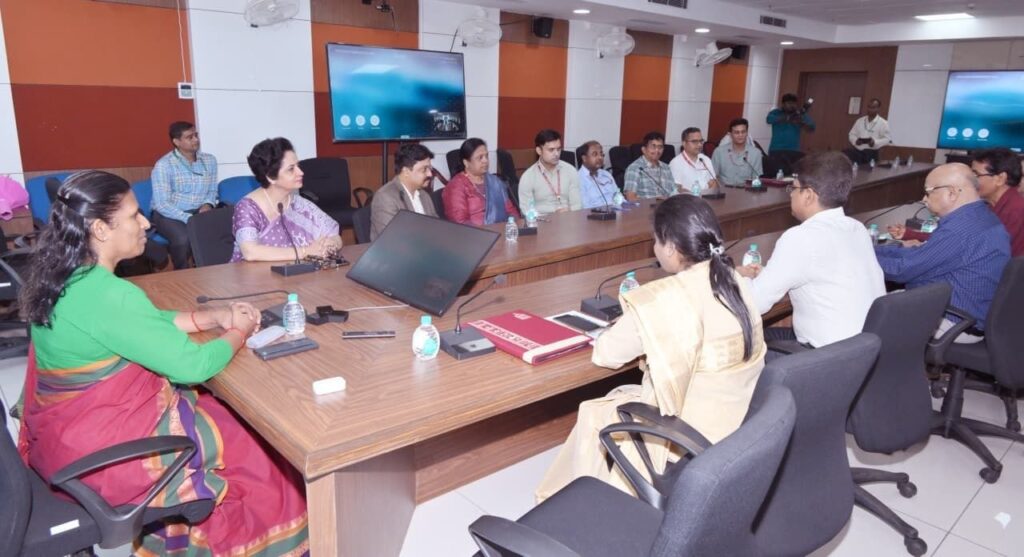
Researchers at the National Institute of Technology, Rourkela, have developed and patented an innovative biological system for treating wastewater generated by the dairy industry using a combination of aquatic plants, earthworms, microbial activity and hydroponic filtration.
The breakthrough technology, developed by the Civil Engineering department of the institute, aims to tackle one of the major environmental challenges posed by the dairy sector, which produces billions of litres of wastewater daily during the manufacturing of products such as cheese, paneer and yogurt. The wastewater contains high levels of fats, proteins and carbohydrates, resulting in elevated Chemical Oxygen Demand (COD), a key indicator of organic pollution in water.
According to researchers, untreated wastewater with high COD levels depletes dissolved oxygen in water bodies and threatens aquatic life. Conventional treatment systems, including membrane filtration, often face clogging issues and fail to effectively address the organic load.
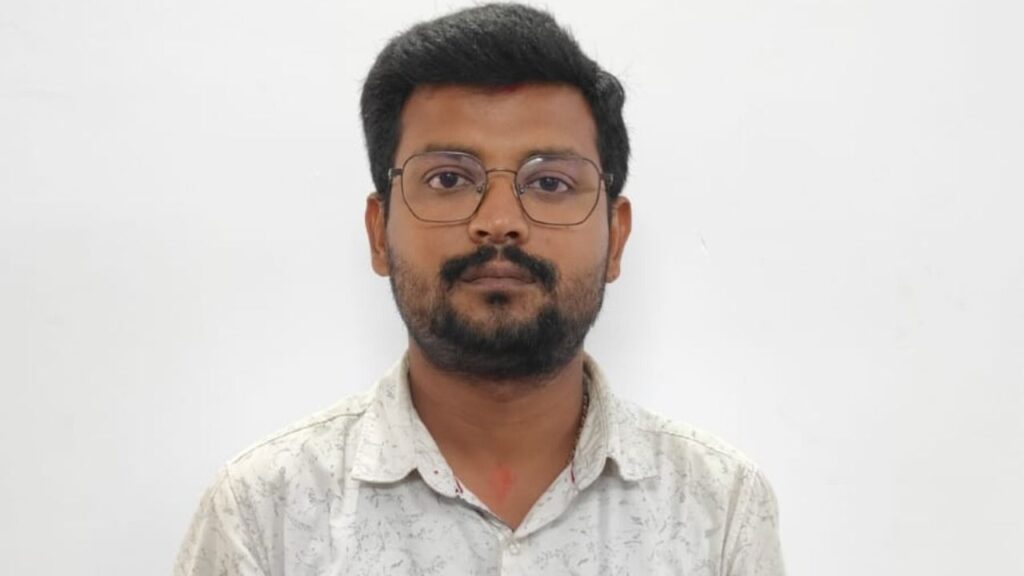
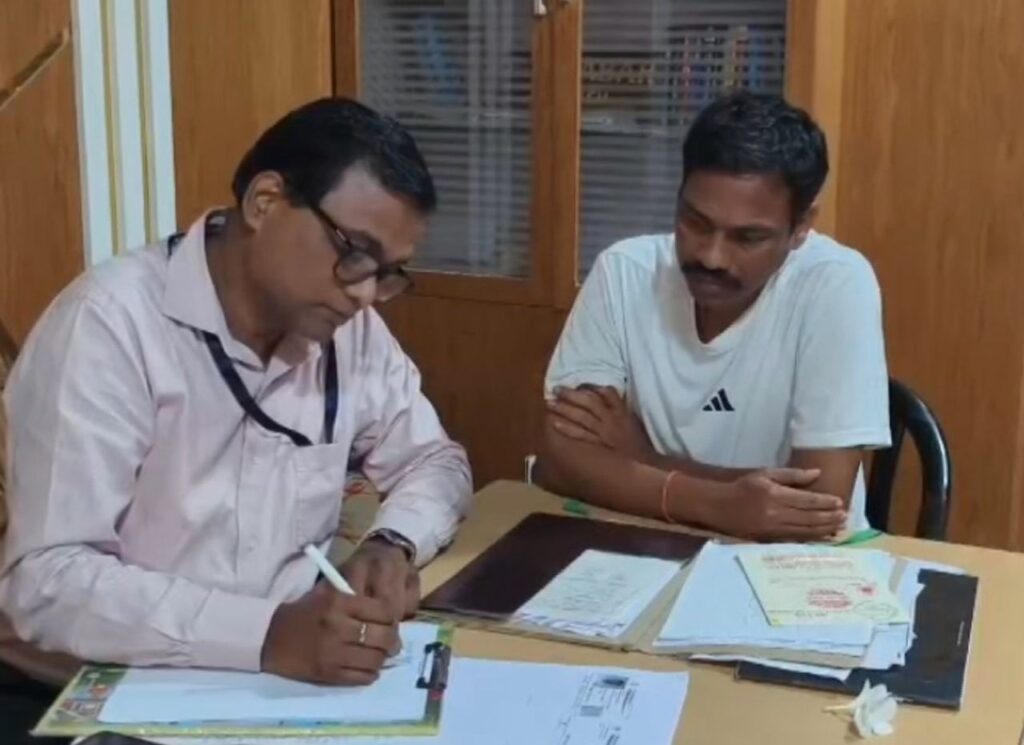
The new system was developed by Prof. Kakoli Karar Paul of the Civil Engineering department along with research graduate Dr. Pragyan Das (Batch 2025). The research team has secured a patent titled “Method and System for Treating Dairy Wastewater” with Patent Number 583949 and Application Number 202431032506.
Explaining the innovation, Prof. Paul said the lab-scale setup costs around Rs 10,000 and can treat nearly 30 litres of dairy wastewater per day, with scope for scaling up based on requirement.
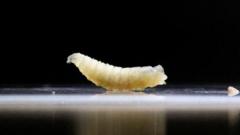
The treatment process consists of five layers, each designed for a specific purification function. In the first stage, wastewater enters a worm-active reactor containing earthworms and aquatic plants. The earthworms break down organic waste and improve oxygen levels, encouraging microbial growth that helps degrade pollutants.
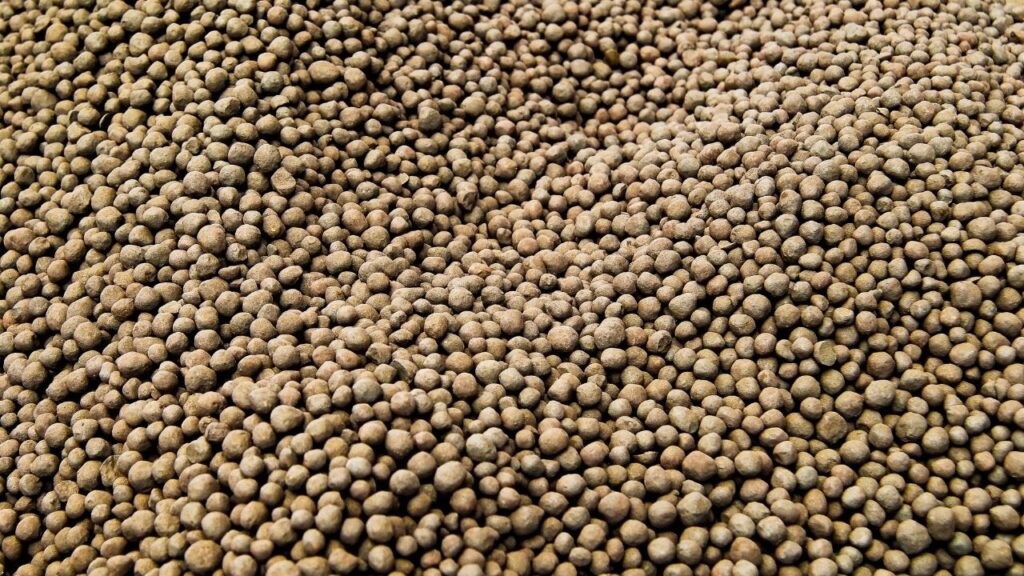
The partially treated water then flows through a sand filtration layer to remove suspended solids, followed by a layer of fly ash pellets that absorb pollutants and reduce phosphorus compounds. In the fourth stage, the water passes through a gravel bed where aerobic microbes remove residual organic contaminants.
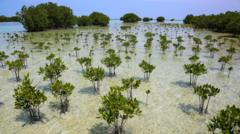
Finally, the treated water enters a hydroponic chamber where plant roots oxygenate the water, promoting beneficial microbial biofilms that further purify the wastewater and improve its quality.
Dr. Pragyan Das said the system offers an affordable and sustainable wastewater treatment solution, especially for regions lacking large-scale treatment infrastructure. He added that the treated water can be reused for agricultural purposes, promoting resource-efficient waste management and reducing environmental impact.
Laboratory tests conducted using real dairy wastewater found the treated water suitable for irrigation, as it retained useful phosphate nutrients. Researchers also noted that the aquatic plants used in the process can be repurposed as cattle feed or processed for biogas and biodiesel production, adding an element of resource recovery to the treatment system.
Also Read: NIT Rourkela students celebrate Holi with unique ‘mud fest’ in Odisha
The research team now plans to improve the treatment speed and optimise the reactor design for large-scale deployment. Efforts are also underway to collaborate with industries to bring the patented technology into real-world applications.
Researchers said the integration of vermi-filtration, macrophyte-assisted treatment and hydroponic purification into a continuous sustainable system has significantly improved pollutant removal efficiency while overcoming the clogging issues associated with conventional wastewater treatment methods.